
Justice as Responsibility: A Companion Examination

This entry is part 56 of 56 in the series Journey Through Stoicism
This entry is part 5 of 5 in the series The Stoic Virtues

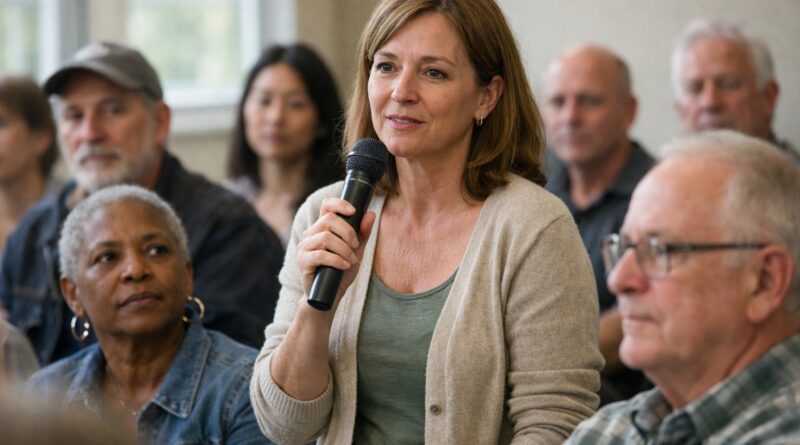
Justice is one of the most frequently used moral words in public life, and one of the least examined. It appears in politics, religion, social movements, and law. Because it is so familiar, we often assume we mean the same thing when we use it. We usually do not.

Serious moral traditions have resisted reducing justice to feeling or slogan. Stoic philosophy, Christian ethics, and modern research all return to a similar conclusion: Justice is not primarily about emotion or ideology. It is about responsibility. Responsibility to others, to the common good, and to living in a way that keeps belief and behavior aligned.

Seen this way, justice is not a moment or a performance. It is discipline. A steady practice carried out over time. It asks for clarity without cruelty, conviction without self-righteousness, and persistence without spectacle. Justice endures not because it is loud, but because it is rooted.

Read more
Justice as a Way of Life

This entry is part 4 of 5 in the series The Stoic Virtues
This entry is part 55 of 56 in the series Journey Through Stoicism

Justice is a word we hear all the time, but people often understand it differently. It shows up in courtrooms, sermons, protest signs, and political speeches. Before it became a slogan, justice was seen as a way to live. Not just a stance or an opinion, but a mode of living.

For me, justice starts with faith. The prophet Micah says it simply: Do justice. Love mercy. Walk humbly with God. This command is not abstract. Justice is not something to admire from afar. It is something you do, often quietly, sometimes without certainty, and sometimes at a real cost.

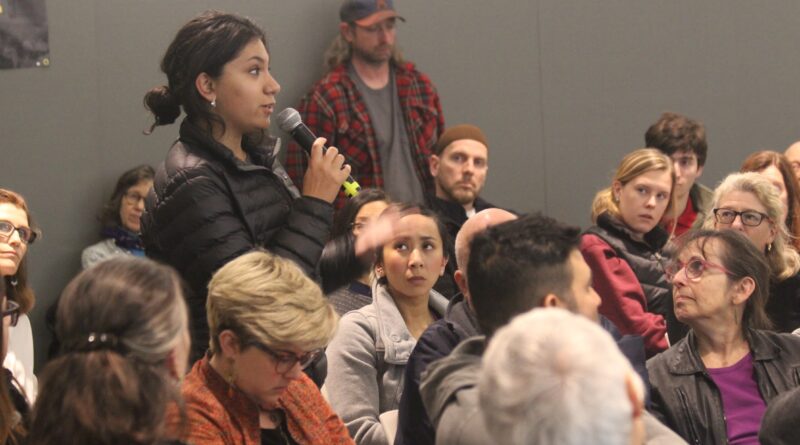
I have seen justice take shape in public gatherings and protest marches, but I have also seen it in smaller, steadier acts. Helping someone get a meal. Standing up for a person who cannot speak for themselves. Showing up again when the work seems slow and unfinished. Justice does not always announce itself. Most often, it looks like ordinary people refusing to look away.

Read more