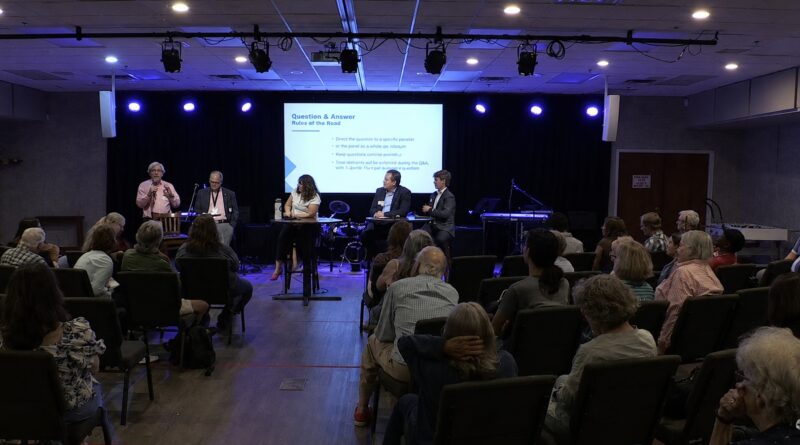
The Work That Begins After Election Day

This entry is in the series 2026 Elections

Election Day is when we choose our leaders. What happens the next morning may matter even more.

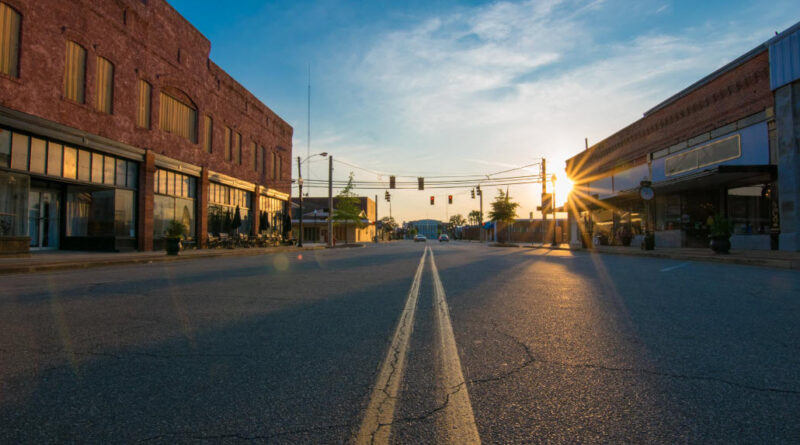
As a boy growing up in North Carolina, I remember standing with my father beneath a huge chalkboard outside the local newspaper office, watching election returns arrive precinct by precinct. Neighbors gathered, candidates waited, and everyone shared in the outcome. Those memories still remind me of something almost sacred about democracy. But I’ve come to realize that the responsibilities of citizenship go well beyond the moment we cast our ballots.

American history offers some uncomfortable lessons about what happens when a nation tries to return to normal without confronting abuses of power. From the betrayal of Reconstruction to the aftermath of Watergate, we’ve seen how easily the desire to move on can leave deeper problems unresolved. Today, those lessons deserve our attention, particularly as wealth and political influence threaten to diminish the voices of ordinary citizens.

In The Work That Begins After Election Day, I consider the difference between restoring familiar institutions and making them worthy of our trust. Thomas Paine believed we had the power to begin the world over again. That promise still belongs to us, along with the obligation to act upon it. Voting gives us a voice in who governs. What we do afterward helps determine what kind of country we become.

Read more

We the People Means More of Us

This entry is in the series 2026 Elections

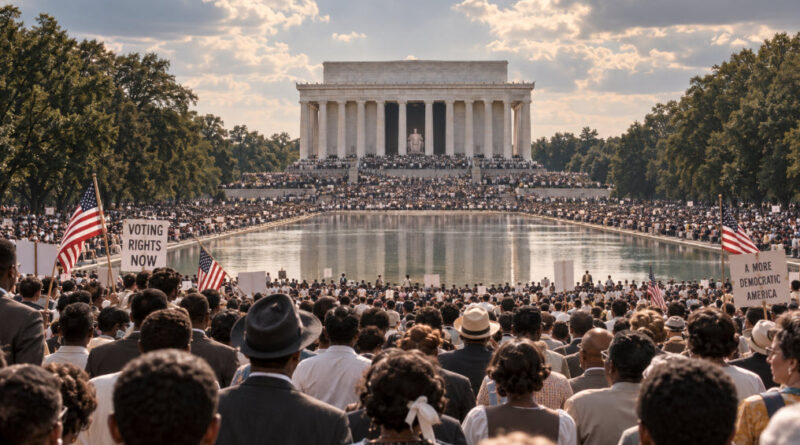
There is something remarkable about the American Constitution that we rarely stop to consider. Across more than two centuries, Americans have repeatedly amended our founding document to expand the right to vote. Each generation inherited a democracy that excluded too many people, and successive generations worked to open its doors wider.

The 15th Amendment prohibited denying citizens the vote because of race. The 19th Amendment extended constitutional protection to women. The 24th Amendment outlawed poll taxes in federal elections. The 26th Amendment protected the voting rights of citizens 18 and older. Other amendments expanded the people’s direct participation in choosing their representatives and president. Each represented another step toward a more inclusive democracy.

But that constitutional history stands in troubling contrast to the current administration’s actions and rhetoric. From federal seizures of election records to discussions of deploying federal agents at polling places, President Trump and his administration have raised serious concerns about government interference in the democratic process. And when a pastor who advocates repealing women’s voting rights is invited to preach at the Pentagon, we are reminded that even long-established constitutional protections cannot be taken for granted.

We the People has never just meant those in power. The late Congressman Barney Frank said government is what we choose together. That “together” means everyone. Our constitutional history tells a remarkable story of Americans working to expand democracy, not restrict it. As another election approaches, that promise is worth remembering

Read more

Can You Be a Stoic and a Political Activist?

This entry is in the series Journey Through Stoicism
This entry is in the series 2026 Elections

Can you be a Stoic and still be politically active? I think the answer is not only yes, but that Stoicism gives us a better way to do it. The ancient Stoics did not confuse acceptance with surrender. They accepted what could not be changed, while challenging injustice when action was still possible.

That question feels especially urgent now. We are living in a time when division itself has become a political tool. Culture war fights can dominate attention while people are still struggling with housing, health care, violence, war, and the basic question of whether government can still solve real problems. Anger may be useful in campaigns. It is rarely enough to build a decent society.

Stoicism asks something harder of us. Stay engaged without becoming consumed. Think clearly when others are trying to provoke you. Act with courage when something is wrong. Keep justice at the center. And remember that the people on the other side of a political argument are still part of the same community.

Politics, at its best, is what we choose to do together. This essay asks what Stoicism can teach us about showing up for that shared life, especially when the temptation is to give up, tune out, or shout louder.

Read more

Justice as a Way of Life

This entry is in the series The Stoic Virtues
This entry is in the series Journey Through Stoicism

Justice is a word we hear all the time, but people often understand it differently. It shows up in courtrooms, sermons, protest signs, and political speeches. Before it became a slogan, justice was seen as a way to live. Not just a stance or an opinion, but a mode of living.

For me, justice starts with faith. The prophet Micah says it simply: Do justice. Love mercy. Walk humbly with God. This command is not abstract. Justice is not something to admire from afar. It is something you do, often quietly, sometimes without certainty, and sometimes at a real cost.

I have seen justice take shape in public gatherings and protest marches, but I have also seen it in smaller, steadier acts. Helping someone get a meal. Standing up for a person who cannot speak for themselves. Showing up again when the work seems slow and unfinished. Justice does not always announce itself. Most often, it looks like ordinary people refusing to look away.

Read more