
When Principle Gets Called Partisan
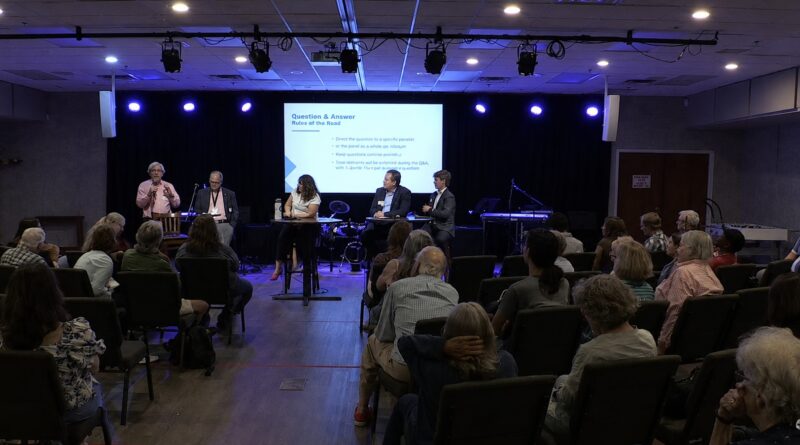
After a civic engagement event I helped organize, a woman approached me with a question that stayed with me. She wondered what a similar event held by “the other side” might look like. Would they just sit around saying ugly things about “us”? When I explained that our event was designed to be nonpartisan, focused only on helping people engage with public officials on whatever issue mattered to them, she looked at me and said, “Well, I’m here to tell you this was definitely partisan.”
That moment got me thinking about the difference between being partisan and being principled. We often call something partisan because it actually promotes a party, candidate, or ideology. But sometimes we use the word because something made us uncomfortable, challenged our assumptions, or touched a moral concern we have already sorted into a political box.
This essay explores how bias shapes what we hear, why two people can sit in the same room and experience almost different events, and why civic responsibility itself has started to feel suspicious in our divided culture. Democracy cannot survive if every effort to help people use their voice gets treated as a political threat.
Read more