
Tallahassee Keeps Telling Local Communities to Sit Down
There is a word that sounds dry enough to cure insomnia but is quietly reshaping life in Florida: preemption.
It sounds like something only lawyers, lobbyists, and people who voluntarily attend zoning hearings would care about. But preemption is not some abstract procedural debate. It is the mechanism Tallahassee increasingly uses to tell local communities: you may see the problem, but you are not allowed to solve it.
That is the real danger: the Legislature’s aggressive use of preemption is undermining local democracy, not just setting uniform rules. Florida does not see reasonable uniformity but a systematic effort to transfer authority from cities and counties to the state, limiting their ability to serve residents, workers, neighborhoods, and environmental realities.
Take heat protection for outdoor workers.
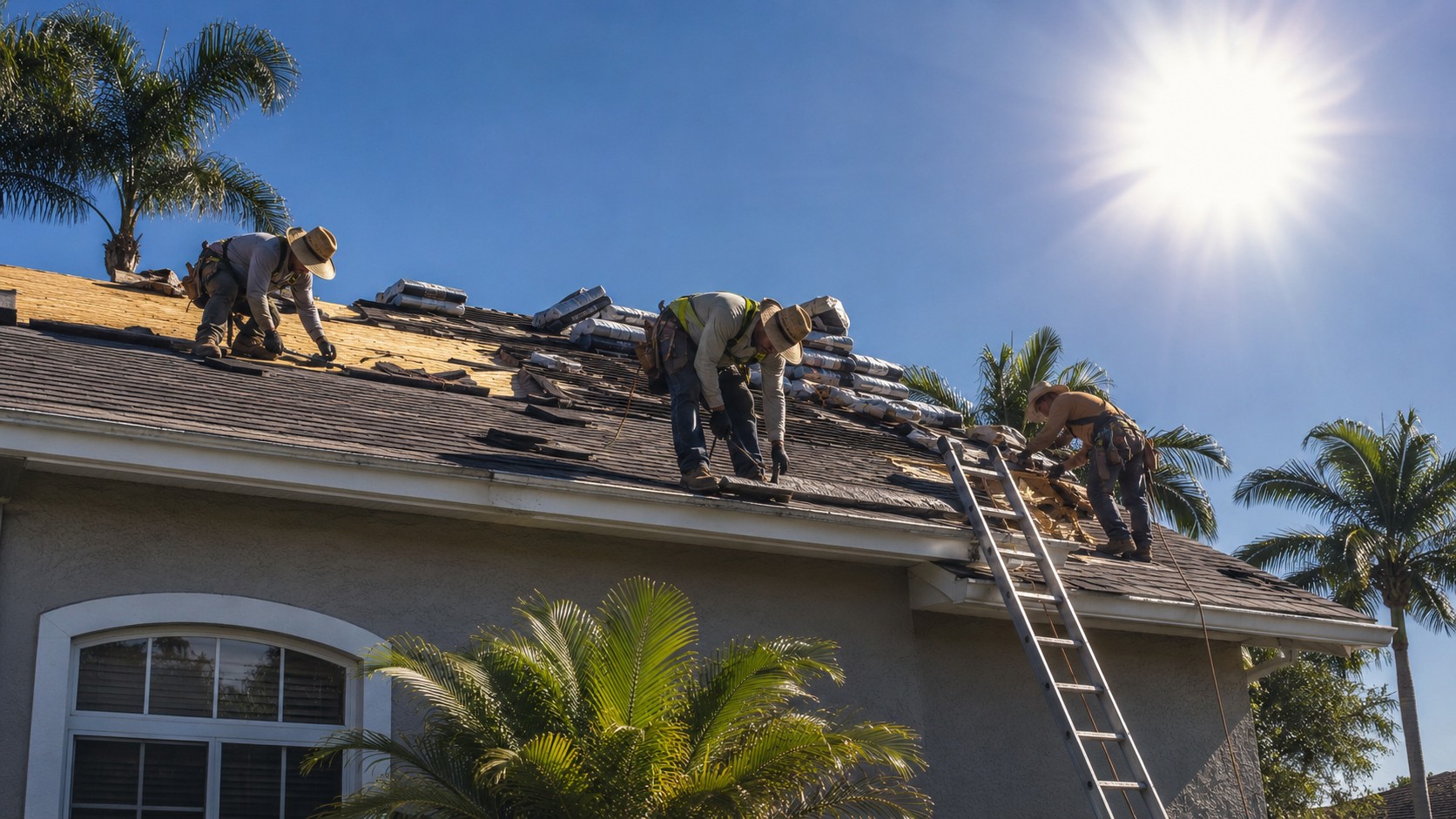
In 2024, the Legislature passed HB 433, which blocks local governments from requiring employers or contractors to provide heat-exposure protections beyond what state or federal law requires. In Florida. The state, famous for asphalt that could cook breakfast and summer humidity that feels like breathing through soup, decided local governments should not be able to require extra protections for roofers, construction workers, landscapers, farm workers, road crews, and others laboring under brutal heat.
This is where policy becomes moral.
Instead, it blocked them.
Then there is development.
Florida has a real housing crisis, and we should be honest about that. We need more housing, including more affordable housing. But the Legislature has become far too comfortable using housing as a Trojan horse for developer-driven preemption. Laws like the Live Local Act, the Infill Redevelopment Act, and HB 399 continue shifting power away from local planning, local public input, and local judgment.
The Infill Redevelopment Act may have worthy goals, including returning environmentally impacted land to productive use. Fine. But good goals do not automatically justify a bad process. When local governments are told they must administratively approve certain projects if statutory boxes are checked, the public’s role shrinks. Neighborhood planning becomes less about local democracy and more about compliance paperwork.
HB 399 also restricts how local governments manage land-use decisions. While its supporters cite efficiency, ‘streamlining’ often means removing decision-making from those closest to the issue.
Funny how local control is sacred when it is rhetorically useful, and suddenly disposable when developers, large employers, or favored industries want a cleaner path through the system. Apparently, the government closest to the people is wonderful, unless the people get in the way.
This is not just a statewide problem. It is a local accountability problem.
My own state representative, Karen Gonzalez Pittman, currently serves in the Florida House and has directly participated in shaping recent preemption policy. She voted yes on HB 433, supporting restrictions on local workers’ heat protections. She voted yes on the Infill Redevelopment Act, further curtailing local control over development. She later recorded a yes on HB 399, again shifting authority to the state level. These votes are significant—they represent decisions to move more power from local governments to Tallahassee, away from the people, officials, and communities most directly affected.
That deserves scrutiny.
 Years ago, I met with Rep. Gonzalez Pittman in her office and challenged her vote in favor of restricting medical care for transgender youth. As my state representative, she explained that her husband, a practicing physician in Hillsborough County, had advised her on her decision. If she relies on household medical consultation when voting on major issues, the question now is clear: what medical evidence did she use to justify voting to deny local governments the ability to require extra heat protections for workers in Florida? What studies support her conclusion that roofers, farmworkers, construction crews, landscapers, and road workers need less protection from heat, not more? If medical judgment was crucial for her previous vote, is she applying the same standard now, when outdoor workers face intense Florida summers? I’d love to hear her explanation.
Hillsborough County is not identical to the Panhandle. Tampa is not Naples. Rural inland counties do not face the same growth pressures as coastal communities. Different places have different needs, and local governments should have room to respond accordingly. The state should set a floor. It should not always impose a ceiling.
If a local government wants stronger worker protections, it should have the authority to enact them. If a city wants to manage growth in a way that protects neighborhoods and infrastructure, it should have the authority to do so. If a county wants to respond to flooding, water quality, heat, development pressure, or local labor conditions, Tallahassee should need a compelling reason before taking that authority away.
Preemption should be rare and justified. In Florida, it has become routine, sloppy, and ideological.
The people closest to a problem are not always right. Local governments can make bad decisions too. But when Tallahassee repeatedly tells communities they cannot act at all, it is not protecting democracy. It is disciplining it.
And that is the danger. Preemption is how local self-government gets hollowed out while everyone is distracted by shinier fights. One bill at a time, one exception at a time, one “streamlining” measure at a time, power moves farther away from the people who live with the consequences.
Florida does not need more government by remote control.

Pingback:Deep Something | Josie Tomkow’s Record Shows Tallahassee Comes First