
Real Waste, Fake Waste, and Things Republicans Just Don’t Like

This entry is in the series Hillsborough DOGE Report Analysis

Not every proposed cut is the same. Unused software licenses, underused vehicles, vague contracts, and weak bidding rules are real places to look for waste.

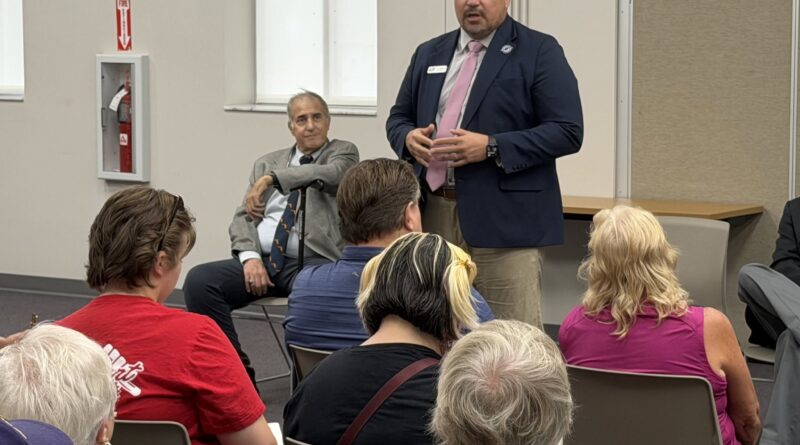
But the Hillsborough County DOGE report also targets nonprofits, equity work, community outreach, and cultural programs. In this essay, I separate genuine control problems from programs that appear to have been labeled “waste” because committee members do not like their purpose.

Political opposition is fair. Calling it financial analysis is not.

Read more

Cutting a Program Is Not the Same as Making Government Efficient

This entry is in the series Hillsborough DOGE Report Analysis

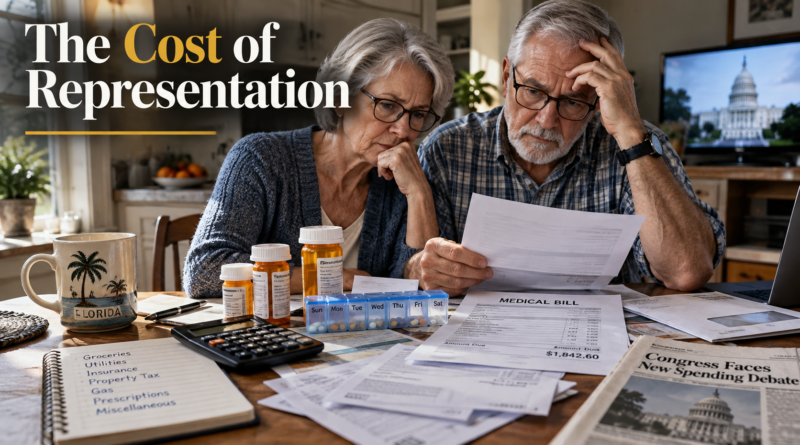
The Hillsborough County DOGE committee calls the county health care plan a source of major savings. But ending care for more than 22,000 low-income residents is not the same as making government more efficient.

This essay looks at what the program actually does, why voters approved the tax that funds it, and what happens when needed care disappears from one budget line only to reappear in emergency rooms, hospitals, charities, and family finances.

Cutting a program may make a spreadsheet look better. The harder question is whether the community pays more when the service is gone.

Read more

Who Chose the Watchdogs?

This entry is in the series Hillsborough DOGE Report Analysis

Before accepting the Hillsborough County DOGE committee’s findings as a neutral review of county spending, it is worth asking who selected the people doing the reviewing.

The five-member panel included several people with solid professional backgrounds, but only one had clear forensic accounting credentials. At least three had strong Republican Party ties, including committee chair Jake Hoffman, a former Republican candidate and Young Republican leader.

This essay looks at how the committee was formed, how its members were chosen, and why a politically tilted advisory panel should not be treated like an independent audit team.

Read more

They Did Not Find $678 Million in Waste

This entry is in the series Hillsborough DOGE Report Analysis

The Hillsborough County DOGE committee says it found roughly $678 million in potential savings. That sounds impressive, until you look at what the number actually includes: entire public programs, contract limits, fund balances, possible management changes, and spending choices committee members simply do not support.

In my latest essay, I take a closer look at the report and the difference between finding real waste and labeling any disliked program as waste. The committee may have raised some fair questions about fleet use, software licenses, contracts, and oversight. But cutting a service is not the same as making government more efficient, and a large number is not proof.

Read more

The Empty Chairs of Tallahassee’s Brave Warriors

This entry is in the series 2026 Elections

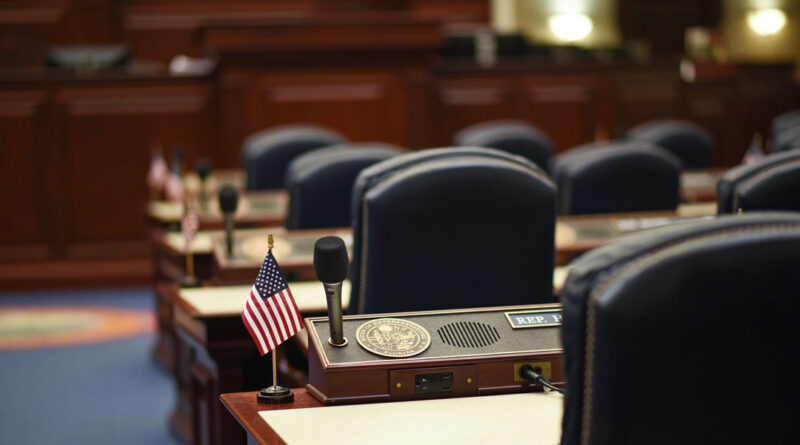
The historic Tiger Bay Club of Tampa is known for hosting fierce, politically mixed audiences, the exact kind of room where business-friendly traditional Republicans used to enjoy a home-court advantage. Yet, at a recent Florida State Senate candidate forum following the club’s monthly luncheon, the Republican side of the dais looked like an abandoned movie set. Not a single Republican running for a State Senate seat representing Hillsborough County bothered to show up. Incumbents Nick DiCeglie and Jim Boyd, along with former House Representative Josie Tomkow, staged a coordinated vanishing act, leaving empty chairs where accountability was supposed to sit.

This missing-in-action routine isn’t just a scheduling oversight; it’s a strategic flight from a room full of constituents demanding answers. Over the last several years, this trio has marched in lockstep to strip local self-governance through state preemption while simultaneously passing disastrous property insurance “reforms” that sent premiums into the stratosphere. By refusing to face the music, and a polite crowd over a plate of chicken piccata, Hillsborough’s ghost candidates proved they would rather hide behind multimillion-dollar PAC mailers than explain why their legislative records read like a pocketbook nightmare for local taxpayers.

Read more

True Joy Is a Serious Thing

This entry is in the series Journey Through Stoicism

For years, the Latin phrase Res severa est verum gaudium has appeared at the bottom of my personal letterhead. I understood it to mean, “True joy is a serious thing,” and I loved the way it gave joy weight. Only recently did I learn that the words came from Seneca.

That discovery opened the door to a deeper reflection on the difference between happiness and joy. From the grand ending of Mussorgsky’s Pictures at an Exhibition to a quiet hillside in Boone, this essay explores the kind of joy that carries memory, beauty, loss, gratitude, and meaning all at once.

Read more

The Ballot-Box Bureaucrat: Why Electing School Superintendents Is a Governance Nightmare

This entry is in the series 2026 Elections

The push to force a partisan elected superintendent referendum onto Hillsborough County isn’t a grassroots movement for voter empowerment; it’s a deliberate structural hijacking. In our latest piece, we look at the reality behind this cynical effort to turn a highly specialized, professional administrative role into a hyper-partisan popularity contest. The data is clear: electing the top executive of a massive metropolitan school system has zero statistically significant impact on student achievement. What it actually delivers is a microscopic local talent pool and a system-wide governance nightmare of locked-up school boards and parallel legal counsels.

The hypocrisy of this legislative push is laid bare by its chief sponsor, State Representative Michael Owen. Owen has built a career voting to strip cities and counties of their home-rule authority through state-level preemption bills, yet he suddenly claims a deep devotion to local voter control when it comes to controlling a metropolitan school system. If Owen and his allies want to argue that a partisan knife fight is the secret sauce for academic excellence, they are arguing against the entire map of American education. The states that consistently deliver top-tier results treat school administration as a profession, while the only two states that stick to elected superintendents—Alabama and Florida—rank 43rd and 24th in public school quality. True accountability isn’t a row of campaign signs along a highway shoulder; it’s a system run by qualified professionals who can be held to high standards and removed when they fall short.

Read more

The Price of Political Playacting: Michael Owen’s Assault on Hillsborough Schools

This entry is in the series 2026 Elections

Hillsborough County Public Schools, the seventh-largest district in the nation, is facing a top-down assault disguised as “local accountability.” State Representative Michael Owen’s House Bill 4027 calls for a referendum to eliminate our professionally appointed superintendent in favor of a partisan elected office. The schools are already governed by an elected board of education. This change is not about transparency; it is a calculated effort to force a toxic culture-war agenda into our local classrooms and strip our school system of seasoned, professional leadership.

The structural fallout of this power grab is devastatingly clear. Instead of an experienced educational administrator focused on student performance, our district risks being handed over to a political partisan. Under an elected model, policy decisions on curriculum, budgeting, and student safety will inevitably bow to the need for campaign survival, turning every fourth year into a multi-million-dollar reelection spectacle. This essay shows how Owen’s legislative overreach, paired with his habit of distorting local facts for political points, threatens the shared institutions our children rely on.

Read more