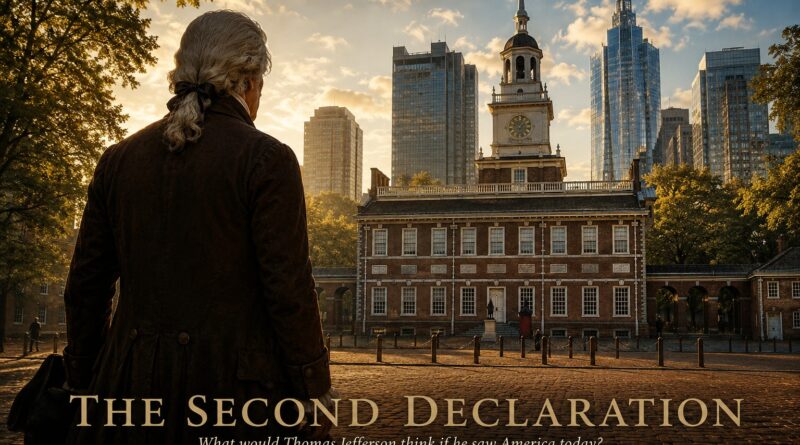

We the People Means More of Us

This entry is in the series 2026 Elections

There is something remarkable about the American Constitution that we rarely stop to consider. Across more than two centuries, Americans have repeatedly amended our founding document to expand the right to vote. Each generation inherited a democracy that excluded too many people, and successive generations worked to open its doors wider.

The 15th Amendment prohibited denying citizens the vote because of race. The 19th Amendment extended constitutional protection to women. The 24th Amendment outlawed poll taxes in federal elections. The 26th Amendment protected the voting rights of citizens 18 and older. Other amendments expanded the people’s direct participation in choosing their representatives and president. Each represented another step toward a more inclusive democracy.

But that constitutional history stands in troubling contrast to the current administration’s actions and rhetoric. From federal seizures of election records to discussions of deploying federal agents at polling places, President Trump and his administration have raised serious concerns about government interference in the democratic process. And when a pastor who advocates repealing women’s voting rights is invited to preach at the Pentagon, we are reminded that even long-established constitutional protections cannot be taken for granted.

We the People has never just meant those in power. The late Congressman Barney Frank said government is what we choose together. That “together” means everyone. Our constitutional history tells a remarkable story of Americans working to expand democracy, not restrict it. As another election approaches, that promise is worth remembering

Read more


Can You Be a Stoic and a Political Activist?

This entry is in the series Journey Through Stoicism
This entry is in the series 2026 Elections

Can you be a Stoic and still be politically active? I think the answer is not only yes, but that Stoicism gives us a better way to do it. The ancient Stoics did not confuse acceptance with surrender. They accepted what could not be changed, while challenging injustice when action was still possible.

That question feels especially urgent now. We are living in a time when division itself has become a political tool. Culture war fights can dominate attention while people are still struggling with housing, health care, violence, war, and the basic question of whether government can still solve real problems. Anger may be useful in campaigns. It is rarely enough to build a decent society.

Stoicism asks something harder of us. Stay engaged without becoming consumed. Think clearly when others are trying to provoke you. Act with courage when something is wrong. Keep justice at the center. And remember that the people on the other side of a political argument are still part of the same community.

Politics, at its best, is what we choose to do together. This essay asks what Stoicism can teach us about showing up for that shared life, especially when the temptation is to give up, tune out, or shout louder.

Read more

2008 Election Wrap-up

Last Tuesday night/Wednesday morning was certainly a bittersweet time. As I’ve said before, I’m not one of the millions of Obama-maniacs, but I was glad he won. I think America will soon be in far better hands than she is now. I was even more pleased to see a good number of hateful and bigoted Republicans kicked to curb, and their nasty campaign rhetoric repudiated. Obviously though, the passage of the three anti-marriage amendments was a great disappointment. In this post, I’ll provide my observations on where we are now relative to the election.

Read more

A Time For Anger, A Call To Action

I have come across the continent to talk to you about two subjects close to my heart. I care about them as a journalist, a citizen and a grandfather who looks at the pictures next to my computer of my five young grandchildren who do not have a vote, a lobbyist in Washington, or the means to contribute to a presidential candidate. If I don’t act in their behalf, who will?

Read more