
Josie Tomkow, Insurance Reform, and a Trail Worth Following

This entry is in the series 2026 Elections

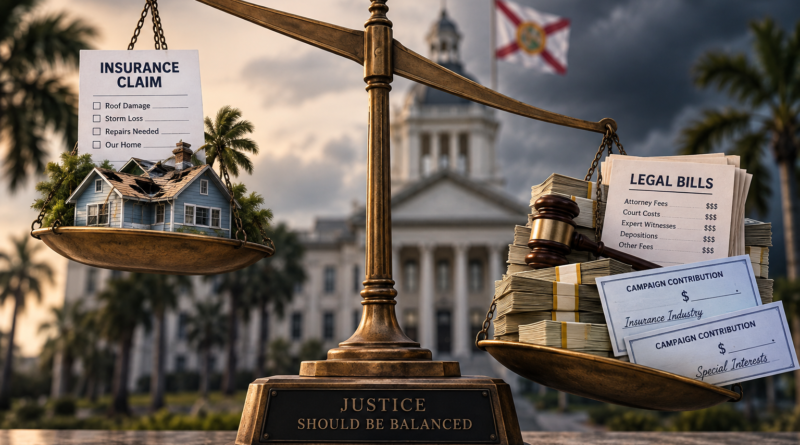
Florida homeowners have heard “insurance reform” so often that the phrase almost deserves its own ZIP code. But behind that label were years of very real changes to what happens when an insurance company denies or underpays a claim and a homeowner has to fight back.

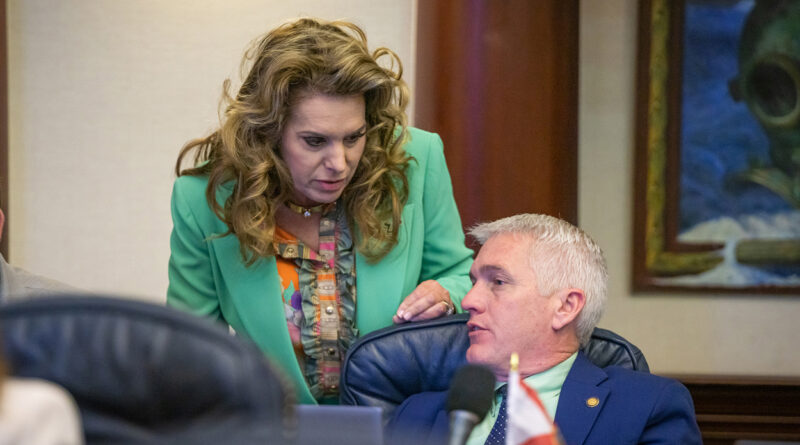
Josie Tomkow voted yes, again and again, as Florida changed the rules around lawsuits, attorney fees, assignment-of-benefits claims, and insurer liability. Those laws may sound technical, but their effect can be painfully simple: even when policyholders have a valid dispute, taking an insurer to court can now carry more financial risk.

Then there is the campaign money. Tomkow’s contribution records show recurring support from insurers, insurance-industry organizations, civil-justice reform groups, and people tied directly to Florida’s insurance-policy world, including former Insurance Commissioner David Altmaier. This cycle alone, at least $2,500 has come from three interests closely connected to this issue.

No, campaign contributions do not come with thank-you notes for specific votes. But voters are entitled to look at the money, look at the voting record, and decide for themselves whether the two tell a story worth following.

Read more

Some Things Should Not Be Run for Profit

This entry is in the series Education

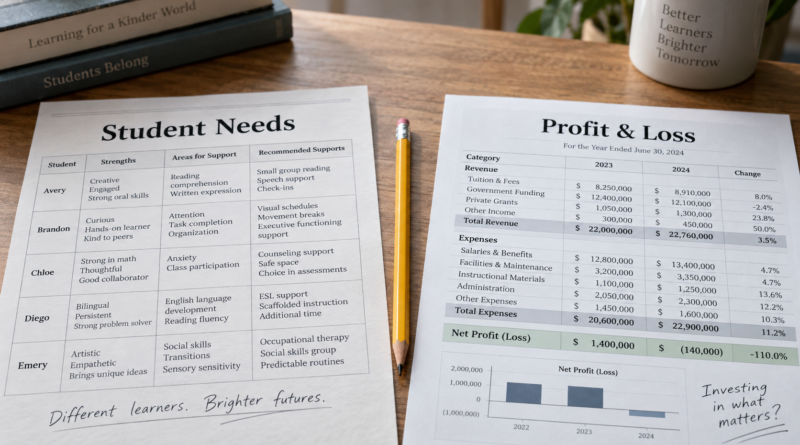
What if the biggest mistake in Florida’s education debate is assuming schools should work like ordinary businesses?

Markets reward efficiency, control costs, and give consumers choices. Public education has a different job. It has to serve every child, including the student who needs far more support, the student who needs advanced opportunities, and the student whose family could never afford to buy those services on its own.

That is why I think the debate over vouchers and school choice has to go deeper than whether competition can improve some outcomes. The real question is whether K-12 education should be organized around market incentives at all.

In this essay, I look at what happens when we confuse efficiency with public duty, and why some things may work better when the goal is not profit, but making sure everyone is served.

Read more

When “School Choice” Stops Meaning Public Education

This entry is in the series Education

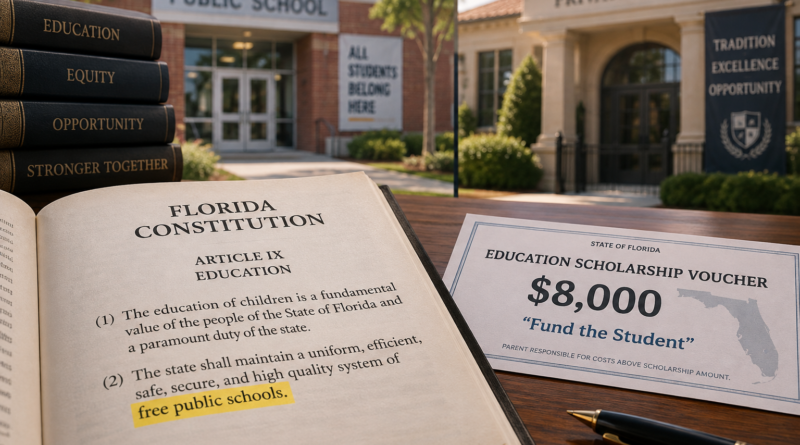
Florida’s new Education Commissioner has said the state does not need to run schools at all. That raises a question that goes well beyond vouchers: what happens when “school choice” starts replacing the idea of public education itself?

Florida’s Constitution requires a system of free public schools. Yet an $8,000 voucher does not guarantee admission, does not guarantee a free education, and means something very different to a family that can add another $30,000 than it does to one that cannot. That is why the slogan “fund the student” leaves out so much.

At our Voices of Justice: Speak Up for Students program earlier this year, USF education policy professor Dr. Bill Black asked a simple question: “What is public in public education?” With Florida moving further toward publicly funded private education, that question deserves a much closer look.

Read more

What We Owe the Worker

This entry is in the series Journey Through Stoicism

People often see Labor Day as just the end of summer, but its history asks us to remember something more. The day began with workers fighting for safer workplaces, better pay, reasonable hours, and the right to organize. Those fights were never only about economics. They were about dignity.

The Stoics didn’t write about labor rights as we know them, but they believed strongly in justice, cooperation, and the common good. Marcus Aurelius reminded himself that people are meant to work together, and that harm to the community eventually harms everyone. This idea matters now, when many workers still have little control over their pay, safety, schedules, or ability to organize.

This Labor Day, let’s consider what Stoicism can still teach us about work, the value of workers, and what we owe each other in a society that says it honors labor.

Read more

Trump Wants the Midterms to Be About Trump

This entry is in the series 2026 Elections

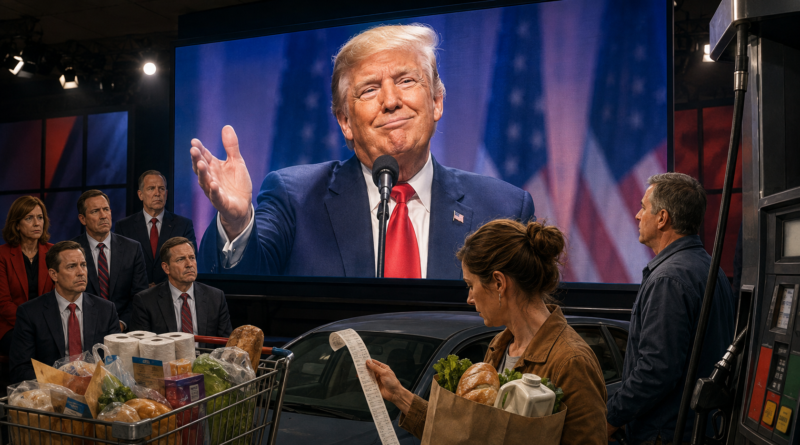
Donald Trump has looked at a 34 percent approval rating and reached a comforting conclusion: Americans have not seen enough Donald Trump. His super PAC is preparing midterm ads built around his record, his speeches, and clips of Trump praising Trump. Apparently, the nation has suffered from a shortage.

The ads will tout stock-market highs, factory output, falling overdose deaths, and other signs of the “Golden Age.” Families will still see grocery bills that keep climbing, gasoline near $4.09 a gallon, and a job market that lost ground in July. The Dow Jones Industrial Average has yet to buy anyone’s groceries.

Trump wants voters to treat the midterms as though his name appears on every ballot. They should accept the invitation. Then they should ask every Republican incumbent whether Trump’s record belongs to them too, which votes lowered costs back home, and why the greatest economy in history remains so difficult for most people to find.

Read more

What Is the Money For?

This entry is in the series The Stoics

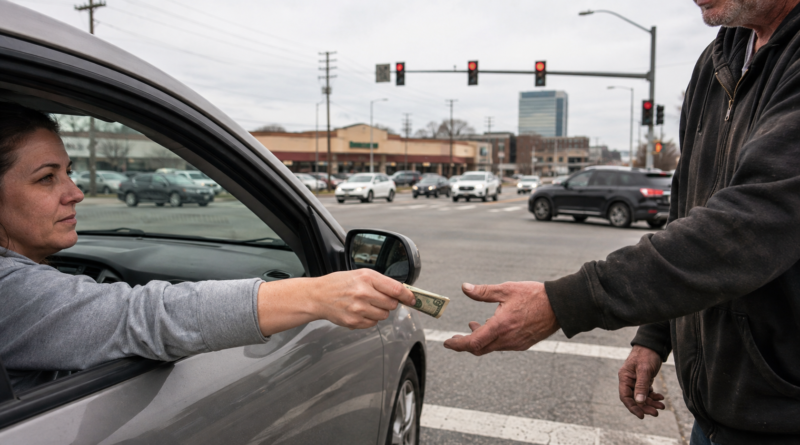
A single mother stops at a traffic light and hands five dollars to a homeless person. Jeff Bezos pledges $10 billion to fight climate change. Bezos will accomplish far more with his gift. Yet the mother may have given up something she needed.

That distinction sits at the heart of my latest essay. The world’s richest people possess more money than they could spend across several lifetimes. Their fortunes keep growing while the planet warms, public institutions weaken, and millions struggle to survive. Their philanthropy does useful work, though it rarely costs them any comfort or power.

So what is all the remaining money for? The answer takes us through the Gilded Age, the widow’s offering, other religious traditions, private bunkers, life extension, and the strange belief that enough wealth can free someone from the fate shared by every human being.

Read more

When Justice Outruns Wisdom

This entry is in the series The Stoic Virtues
This entry is in the series Journey Through Stoicism

“I told her I was ready to give up. I wasn’t. I was frustrated.”

What began as a communication bottleneck in a church office became a lesson in leadership. When drafts moved without review and a public link went live incorrectly, urgency surged. The concern was legitimate. The tone was not. Justice rose quickly. Wisdom lagged behind. Where has urgency outrun wisdom in your week?

In this new essay, I contemplate what the Stoics understood about anger, discipline, and leadership—and why the same dynamic I saw in myself is evident at the highest levels of national leadership. Anger is a signal. It is not a strategy. Wisdom must organize justice, or institutions begin to fray.

Read: When Justice Outruns Wisdom.

Read more

Steel-Toed Integrity

This entry is in the series 2026 Elections

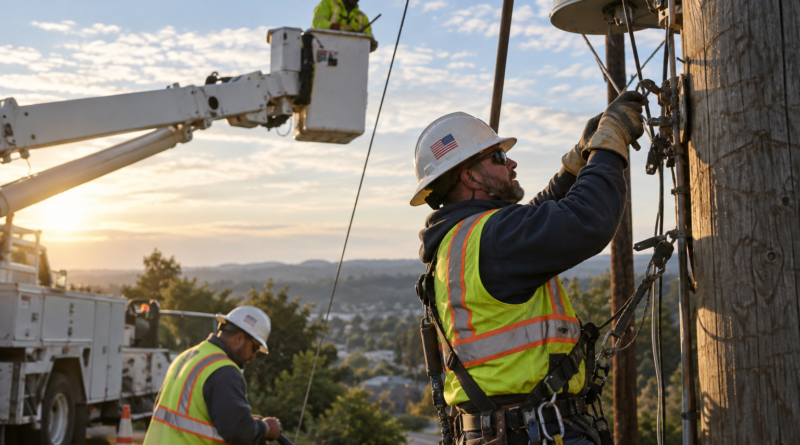
When something breaks in the real world, you don’t call a politician to give a speech; you call someone with a toolbox to fix it. That is the leadership Brian Nathan offers Senate District 14. A Navy veteran and IBEW electrician who chose Tampa as his home during the Great Recession, Brian brings a craftsman’s perspective to a political system that is deeply broken.

Read about Brian’s vision for “steel-toed integrity”—a philosophy born on the job site that prioritizes practical solutions for working families over political theater. He is running to fight for affordable housing, good-paying local jobs, and quality education.

Read more

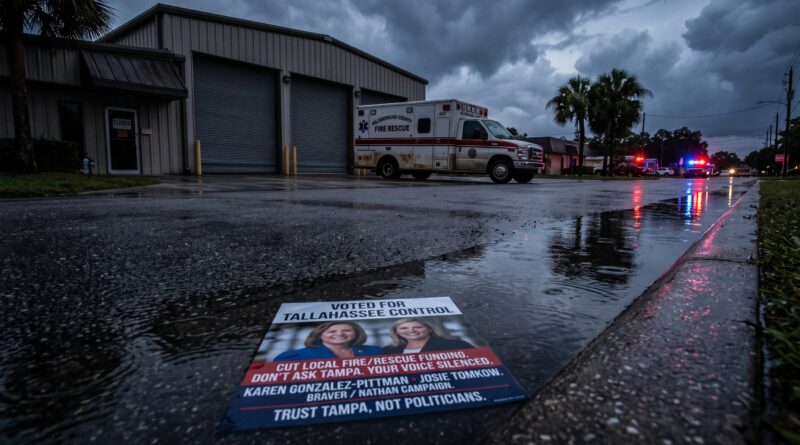
The High Price of “Nice”: What Karen Gonzalez Pittman is Actually Costing South Tampa

This entry is in the series 2026 Elections

Is your State Rep costing you money?

On paper, Representative Karen Gonzalez Pittman fits South Tampa perfectly. She’s polished, presentable, and active in the community. If you met her at a Palma Ceia mixer, you’d think, “Now, there’s a reasonable person.” But for the wealthy and aspirational residents of District 65, voting for Pittman has become an expensive illusion. You think you’re voting for stability, but you’re actually paying a premium for a representative who consistently prioritizes Tallahassee’s culture war performance art over your bank account.

The most glaring receipt is your property insurance bill. For years, the Republican supermajority, of which Pittman is a loyal member, has promised that if we protected insurance companies from lawsuits, rates would trickle down. Pittman voted for every one of those protections. Yet, while your premiums have doubled, she and her colleagues have spent the legislative session banning books and policing bathrooms rather than fixing the financial crisis that is actually threatening our property values.

There’s a high cost to the “anti-woke” agenda, and South Tampa homeowners are paying it. This is a clear example of Patrimonialism: the state is run for insiders, while regular people get worse service and pay more. It’s time to see what her “nice” image is really costing you.

Read more

From Suppression to Sellout: The Laurel Lee Playbook

This entry is in the series 2026 Elections

A recent critique of Laurel Lee’s time as Florida Secretary of State shows her history of voter suppression, but her actions in Congress are an even bigger betrayal. She has voted against jobs and insulin price caps, and taken large corporate donations while her district faces high housing costs. Lee has shown she works for special interests, not FL-15 families.

Read more

A Speech Built on Sand. Fact-Checking the President’s Address

Last night’s prime-time presidential address was sold as a report to the nation. What it delivered was more like a campaign rally with a White House backdrop.

We were told inflation has been “stopped,” prices are “coming down fast,” the border is “fully secure,” wars have been ended, and the economy is suddenly the hottest in the world. The problem is that many of these claims aren’t true, and others are so exaggerated that they lose all contact with reality. Public data on inflation, jobs, migration, and global conflicts tell a far more complicated story than the one presented on screen.

The speech also leaned heavily into partisan attacks, repeatedly blaming Democrats and President Biden while offering little effort to speak to the country as a whole. Even new announcements, such as a promised cash payment to service members, were floated without any explanation of their legality or funding. Symbolism replaced substance. Confidence stood in for evidence.

Read more