
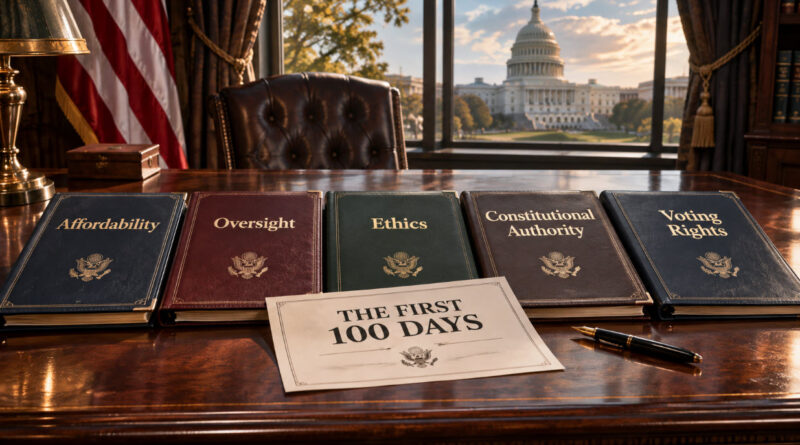
The Election Is Over. Now Show Us What You Can Do.

This entry is in the series 2026 Elections

The election is over. Democrats have won control of both houses of Congress, and Americans have made their demands clear. Lower the cost of living. Rein in presidential power. Protect democracy. Hold public officials accountable. Now comes the part Washington has never been particularly good at: delivering on its promises.

And there’s a new complication. House Republicans have chosen Jim Jordan as their minority leader, a man whose political career has rarely been confused with a bipartisan friendship seminar. Democrats have the majorities, but Republicans still have the power to block much of their agenda. Meanwhile, President Trump retains his veto. This could get interesting, and probably not in the way voters had hoped.

I’ve identified five priorities Congress should tackle in its first 100 days, from bringing down household costs to investigating government misconduct, repairing failed constitutional safeguards, and protecting voting rights. Some will require cooperation. Others will require political courage. All will require something Americans have every right to demand: measurable results and genuine accountability.

Will Democrats use their new power to deliver meaningful change? Will Republicans help solve the problems their own voters care about, or spend the next two years fighting investigations? In the final installment of my four-part series on the 2026 election, I lay out five concrete tests for the new Congress. Read the full essay and decide what you’ll expect from the people we’ve elected.

Read more
We All Want to Save Democracy. From What, Exactly?

This entry is in the series 2026 Elections

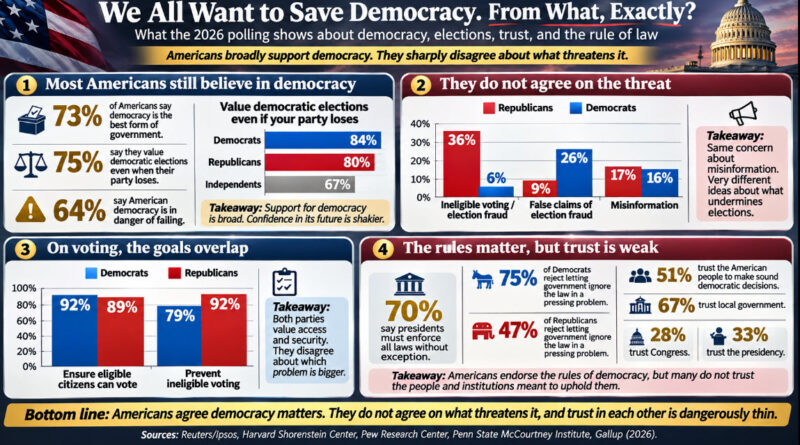
Americans overwhelmingly agree that democracy is worth saving. In fact, 75% say they value democratic elections even when their preferred party loses. Democrats agree. Republicans agree. So why, exactly, are we so convinced the other side is trying to destroy it?

I went digging through the polling, and the results were fascinating. Republicans worry about voter fraud. Democrats worry about false claims of fraud and threats to voting rights. Both sides worry about misinformation, though apparently we can’t agree on what’s actually false. No wonder Thanksgiving dinner has become a contact sport. But here’s where things get especially interesting. Large majorities of Americans believe presidents must obey the law, respect court decisions, and accept constitutional limits. Yet those convictions become considerably less firm when following the rules interferes with what people want their government to accomplish. And nearly half of Americans don’t trust their fellow citizens to make sound democratic decisions.

So what are we really trying to save, and can we save it if we can’t agree on the rules? In Part Three of my 2026 election series, I explore the surprising agreements, troubling divisions, and uncomfortable questions the polling reveals. Read the full essay and consider one question: Would you defend the same constitutional principles if the other party held the White House?

Read more

We the People Means More of Us

This entry is in the series 2026 Elections

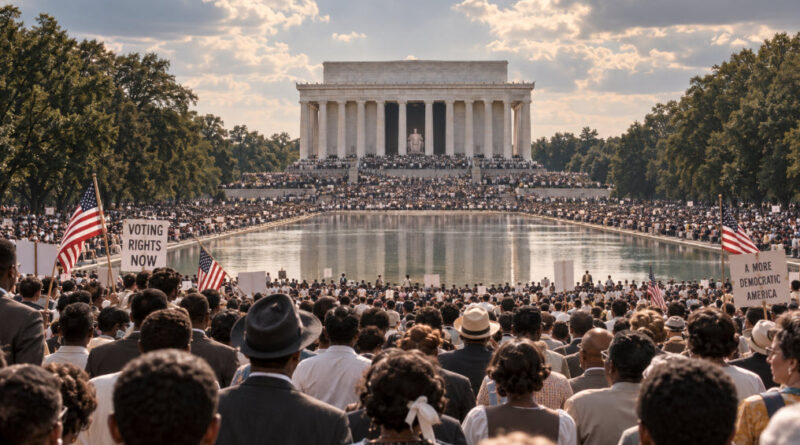
There is something remarkable about the American Constitution that we rarely stop to consider. Across more than two centuries, Americans have repeatedly amended our founding document to expand the right to vote. Each generation inherited a democracy that excluded too many people, and successive generations worked to open its doors wider.

The 15th Amendment prohibited denying citizens the vote because of race. The 19th Amendment extended constitutional protection to women. The 24th Amendment outlawed poll taxes in federal elections. The 26th Amendment protected the voting rights of citizens 18 and older. Other amendments expanded the people’s direct participation in choosing their representatives and president. Each represented another step toward a more inclusive democracy.

But that constitutional history stands in troubling contrast to the current administration’s actions and rhetoric. From federal seizures of election records to discussions of deploying federal agents at polling places, President Trump and his administration have raised serious concerns about government interference in the democratic process. And when a pastor who advocates repealing women’s voting rights is invited to preach at the Pentagon, we are reminded that even long-established constitutional protections cannot be taken for granted.

We the People has never just meant those in power. The late Congressman Barney Frank said government is what we choose together. That “together” means everyone. Our constitutional history tells a remarkable story of Americans working to expand democracy, not restrict it. As another election approaches, that promise is worth remembering

Read more