Project 2025: They Told Us What They Planned to Do

This entry is in the series Examination of Project 2025

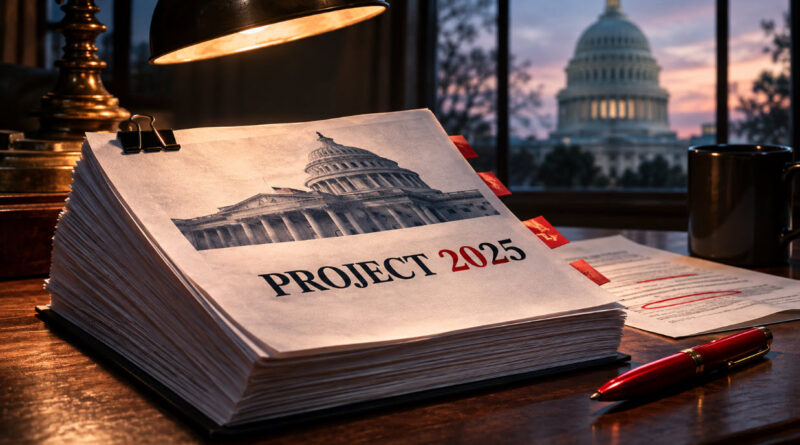
Picture someone giving you a 900-page document that lays out exactly how they want to reshape the federal government, who they want in charge, and how they plan to do it. Now, imagine seeing those plans actually become government policy. That’s the situation with Project 2025. What’s remarkable is that its authors told us what they planned to do.

The Heritage Foundation and its conservative partners spent years putting together Project 2025. They included detailed policy proposals, a database of possible government employees, and even a training program for new recruits. Changing the American government in a big way takes more than just winning an election—it also takes a curriculum.

Now, almost two years into the Trump administration, an independent tracker says about 55 percent of Project 2025’s agenda has been completed or is in progress, counting partial credit for unfinished work. These changes affect federal agencies, civil rights, education, health care, and the balance of power in our government. Behind these decisions are millions of Americans who rely on the services and protections these institutions provide.

This is the first article in a six-part series looking at Project 2025, what its authors proposed, what the Trump administration has done, and what it means for our country’s future. We’ll begin with the people who created the plan and their vision for government, using their own words to see what they intend. Read the first article, Project 2025: They Told Us What They Planned to Do, and see how much of that vision is already reality.

Read more
We All Want to Save Democracy. From What, Exactly?

This entry is in the series 2026 Elections

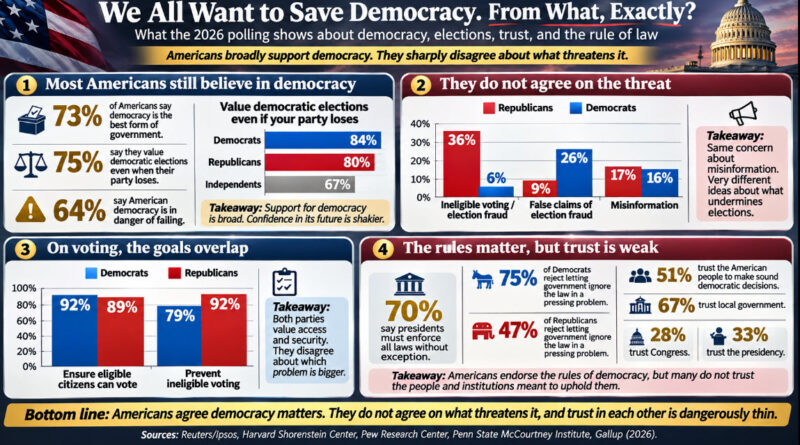
Americans overwhelmingly agree that democracy is worth saving. In fact, 75% say they value democratic elections even when their preferred party loses. Democrats agree. Republicans agree. So why, exactly, are we so convinced the other side is trying to destroy it?

I went digging through the polling, and the results were fascinating. Republicans worry about voter fraud. Democrats worry about false claims of fraud and threats to voting rights. Both sides worry about misinformation, though apparently we can’t agree on what’s actually false. No wonder Thanksgiving dinner has become a contact sport. But here’s where things get especially interesting. Large majorities of Americans believe presidents must obey the law, respect court decisions, and accept constitutional limits. Yet those convictions become considerably less firm when following the rules interferes with what people want their government to accomplish. And nearly half of Americans don’t trust their fellow citizens to make sound democratic decisions.

So what are we really trying to save, and can we save it if we can’t agree on the rules? In Part Three of my 2026 election series, I explore the surprising agreements, troubling divisions, and uncomfortable questions the polling reveals. Read the full essay and consider one question: Would you defend the same constitutional principles if the other party held the White House?

Read more

The Work That Begins After Election Day

This entry is in the series 2026 Elections

Election Day is when we choose our leaders. What happens the next morning may matter even more.

As a boy growing up in North Carolina, I remember standing with my father beneath a huge chalkboard outside the local newspaper office, watching election returns arrive precinct by precinct. Neighbors gathered, candidates waited, and everyone shared in the outcome. Those memories still remind me of something almost sacred about democracy. But I’ve come to realize that the responsibilities of citizenship go well beyond the moment we cast our ballots.

American history offers some uncomfortable lessons about what happens when a nation tries to return to normal without confronting abuses of power. From the betrayal of Reconstruction to the aftermath of Watergate, we’ve seen how easily the desire to move on can leave deeper problems unresolved. Today, those lessons deserve our attention, particularly as wealth and political influence threaten to diminish the voices of ordinary citizens.

In The Work That Begins After Election Day, I consider the difference between restoring familiar institutions and making them worthy of our trust. Thomas Paine believed we had the power to begin the world over again. That promise still belongs to us, along with the obligation to act upon it. Voting gives us a voice in who governs. What we do afterward helps determine what kind of country we become.

Read more

The Promise and the Pain of 250 Years

This entry is in the series The 250th 4th

Essay 1 of a series examining where we are at 250 years

For many Americans, the Fourth of July is a celebration filled with fireworks, flags, and patriotic pride. But as our nation marks the 250th anniversary of the Declaration of Independence, I find myself looking back to the optimism of the 1976 Bicentennial and wondering what became of the country I believed we were becoming. This is not a rejection of America, but a lament for a promise that feels increasingly out of reach.

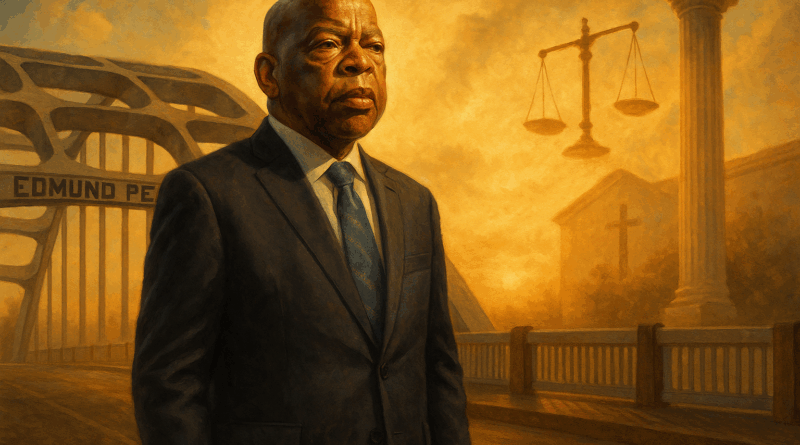
The Declaration was never meant to be proof that America had achieved liberty and equality. It was an invitation for every generation to continue the work of building a more perfect Union. As constitutional norms erode and our politics become more divided, I struggle to celebrate, but I also remember John Lewis’ reminder never to surrender to despair. Patriotism, perhaps, is not blind celebration, but the willingness to keep defending the ideals that first gave birth to this nation.

Read more