
The Promise and the Pain of 250 Years

For many Americans, the Fourth of July is a celebration filled with fireworks, flags, and patriotic pride. But as our nation marks the 250th anniversary of the Declaration of Independence, I find myself looking back to the optimism of the 1976 Bicentennial and wondering what became of the country I believed we were becoming. This is not a rejection of America, but a lament for a promise that feels increasingly out of reach.

The Declaration was never meant to be proof that America had achieved liberty and equality. It was an invitation for every generation to continue the work of building a more perfect Union. As constitutional norms erode and our politics become more divided, I struggle to celebrate, but I also remember John Lewis’ reminder never to surrender to despair. Patriotism, perhaps, is not blind celebration, but the willingness to keep defending the ideals that first gave birth to this nation.

Read more

Stoic Practices: Role Models

This entry is in the series Stoicism Practices
This entry is in the series Journey Through Stoicism

The Stoics believed that we learn virtue through example. Marcus Aurelius wrote to himself as if he were a friend, modeling how to live by holding himself accountable to an imagined mentor. Seneca pointed to Cato as a guide. Epictetus told his students to picture a sage. This practice of role models is simple but powerful: we ask, “What would this person do?” and in answering, we shape our own choices.

For me, role models have been both personal and public. My mother, a nurse for thirty-six years in our local schools, cared for generations of children and called them “my kids.” She held our family together after Dad’s untimely death and lived a life of quiet service that rippled through our community. My band director, Donald Deal, taught discipline and teamwork that lasted far beyond the music hall. Rev. Dr. R. Earle Rabb showed courage in welcoming all God’s children into his church. And figures like John Lewis, Harvey Milk, and Mahatma Gandhi remind me that justice, hope, and service are lived realities, not abstractions. To practice role models is to remember that we are guided by others—and that we, too, may be the model someone else is following.

Read more

The Stoic Path I Didn’t Mean to Take

This entry is in the series Journey Through Stoicism

I didn’t go looking for Stoicism. It showed up in fortune cookies, old sermons, Facebook posts, and a quiet reply from my pastor. This essay reflects on the strange, almost fated path that led me to Stoic thought, even before I had a name for it. From “My Creed” to Admiral Stockdale to John Lewis, these moments formed a pattern I couldn’t ignore. Maybe it’s true what Public TV personality Bob Ross said about “happy little accidents.” This was one of them.

Read more

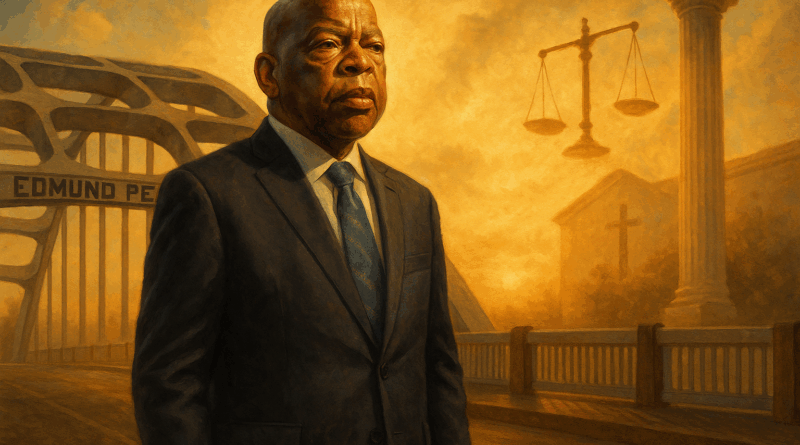
A Way Out of No Way: John Lewis and the Moral Will

This entry is in the series Journey Through Stoicism

“Lewis did not need a theory of justice. He lived one.”
Five years after the death of Congressman John Lewis, his words and witness still call us to the hard, necessary work of moral courage. Drawing from Christian theology, the Black church, and the discipline of nonviolence, Lewis embodied a philosophy of action that mirrors the core of Stoic thought—and resonates just as deeply with the teachings of Judaism, Islam, and Buddhism. He did not merely protest injustice. He met it with clarity, hope, and a soul unshaken by cruelty. His legacy extends beyond American history. It is human wisdom.

Read more