
Corporate Welfare in Overalls: The Rural Shell Game of Florida Amendment 2

This entry is in the series Florida Amendments and Referenda-2026
This entry is in the series 2026 Elections

The television commercials for Florida Amendment 2 are almost entirely self-written. All you have to do is play the acoustic guitar, show the video of a dusty tractor, and then tell the heartwarming tale of a fourth-generation family farmer who is struggling. Although the story is touching, the sentimental presentation covers up a costly performance by the corporation.

Florida businesses currently have a standard exemption of $25,000 for tangible personal property, which covers a significant portion of the equipment needed by genuine small-scale growers. The main benefit of Amendment 2, however, goes to industrial agribusiness syndicates, huge commercial packing houses, and luxury agritourism event venues that operate fleets of machinery costing six figures.

When Tallahassee eliminates equipment taxes on commercial agricultural land, those multi-ton transport trucks do not stop chewing up county roads. The bill simply shifts. County commissions are left to either gut local services or force residential homeowners to make up the difference. Read the full breakdown of how Amendment 2 puts corporate welfare in overalls and leaves local taxpayers holding the tab.

Read more
The Free Lunch Mirage: How Florida Amendment 3 Squeezes Renters and Municipalities

This entry is in the series 2026 Elections
This entry is in the series Florida Amendments and Referenda-2026

Every politician knows that promising a giant tax cut is an easy way to win an applause line. Florida Amendment 3 dangles that exact bait, promising homeowners an expanded homestead exemption and tighter assessment caps. It sounds like an effortless win until you calculate what actually pays for the fire rescue station down the street.

State analysts project this measure will strip over $8 billion from local budgets across Florida in a single year. That is not trimming bureaucratic fat; it is a fiscal sledgehammer aimed directly at 911 dispatchers, sheriff’s deputies, paramedics, and neighborhood road repairs. When both the Florida Sheriffs Association and statewide firefighter unions sound the alarm, voters need to look past the political marketing.

Because essential emergency services cannot simply be shut down, local communities will be forced to raise utility fees and regressive sales taxes to survive. That leaves working families, retirees on fixed incomes, and renters footing the bill for a tax break they will never see. Read the full analysis on why defunding your local first responders is too high a price to pay for a campaign slogan.

Read more

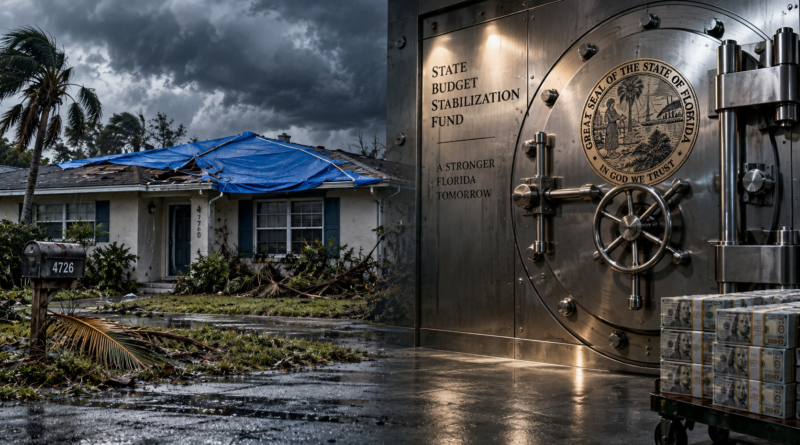
Rainy Days and Blue Tarps: Why Hoarding Billions in Tallahassee Won’t Protect Hillsborough

This entry is in the series 2026 Elections
This entry is in the series Florida Amendments and Referenda-2026

Tallahassee politicians often present Florida Amendment 1 as basic common sense. After all, who would argue with saving for a rainy day? But there’s a big difference between keeping an umbrella handy and locking away billions while your ceiling is falling in.

If you drive through Hillsborough County, you’ll see blue tarps still on roofs from storms years ago. Homeowners are struggling with high insurance costs, classrooms have broken air conditioners, and stormwater ditches need repairs. Yet Amendment 1 would require up to $750 million a year to be set aside in Tallahassee until the fund reaches 25 percent of general revenue.

Florida already has a fully funded emergency reserve at 10 percent. Forcing billions more into storage isn’t smart budgeting; it’s a way to cut local spending now so politicians can brag about a big balance later. Read the full essay to see why we should fix our roofs before Tallahassee builds another vault.

Read more