

Stoic Virtues: The Courage to Decide

This entry is part 54 of 54 in the series Journey Through Stoicism
This entry is part 3 of 3 in the series The Stoic Virtues

Most of us think courage looks like pushing forward, fighting, and refusing to give in. But sometimes courage takes a quieter form. Sometimes it shows up not as effort, but as clarity, not as resistance, but as resolve.

During my mother’s final hospital stay, she listened patiently as doctors talked about rehab and recovery. After they left, she said calmly, “I’m just done.” She wasn’t asking for permission or advice. She was stating a decision shaped by a lifetime of endurance. A woman raised in scarcity. A woman who carried family responsibility without complaint. A woman who knew the difference between fear, despair, and judgment.

In this essay, I reflect on what her final decision taught me about courage. Drawing on Stoic philosophy, scripture, and lived experience, I explore courage not as bravado, but as alignment. Not as clinging, but as choosing without illusion. If you’ve ever wondered what courage really looks like when life stops negotiating, I invite you to read more.

Read more

Amor Fati: Love What Happens

This entry is part 15 of 54 in the series Journey Through Stoicism

In a time of political unrest, personal uncertainty, and social fracture, the ancient Stoic idea of Amor Fati — to love one’s fate — offers a powerful challenge. Not to surrender to injustice, but to meet it with clarity, courage, and compassion. This essay reflects on the tension between acceptance and action, drawing on Marcus Aurelius, the Serenity Prayer, and a timely conversation with Rev. Justin LaRosa to explore how we can live fully and faithfully in the world we have, not just the one we wish for.

Read more

“Healing or Hiding?”

This entry is part 35 of 36 in the series Deep Thoughts

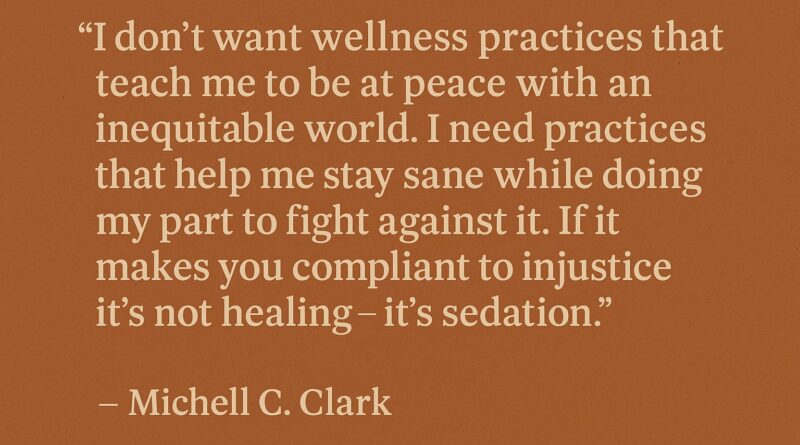
What if the peace you’re chasing is actually keeping you asleep? In a world that rewards quiet compliance, true healing might look less like serenity and more like staying present, even when it hurts. This post explores why “wellness” without justice isn’t peace—it’s sedation.

Read more