Justice as a Way of Life
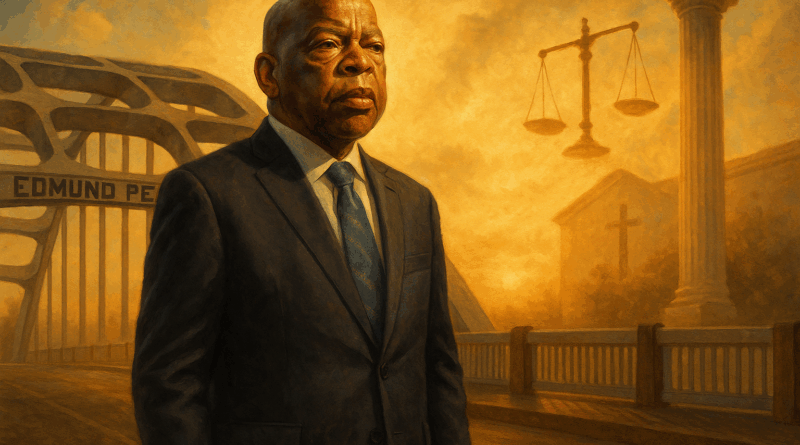
Justice is a word we hear all the time, but people often understand it differently. It shows up in courtrooms, sermons, protest signs, and political speeches. Before it became a slogan, justice was seen as a way to live. Not just a stance or an opinion, but a mode of living.
For me, justice starts with faith. The prophet Micah says it simply: Do justice. Love mercy. Walk humbly with God. This command is not abstract. Justice is not something to admire from afar. It is something you do, often quietly, sometimes without certainty, and sometimes at a real cost.
I have seen justice take shape in public gatherings and protest marches, but I have also seen it in smaller, steadier acts. Helping someone get a meal. Standing up for a person who cannot speak for themselves. Showing up again when the work seems slow and unfinished. Justice does not always announce itself. Most often, it looks like ordinary people refusing to look away.
Read more