

Justice as Responsibility: A Companion Examination

This entry is part 5 of 7 in the series The Stoic Virtues
This entry is part 56 of 59 in the series Journey Through Stoicism

Justice is one of the most frequently used moral words in public life, and one of the least examined. It appears in politics, religion, social movements, and law. Because it is so familiar, we often assume we mean the same thing when we use it. We usually do not.

Serious moral traditions have resisted reducing justice to feeling or slogan. Stoic philosophy, Christian ethics, and modern research all return to a similar conclusion: Justice is not primarily about emotion or ideology. It is about responsibility. Responsibility to others, to the common good, and to living in a way that keeps belief and behavior aligned.

Seen this way, justice is not a moment or a performance. It is discipline. A steady practice carried out over time. It asks for clarity without cruelty, conviction without self-righteousness, and persistence without spectacle. Justice endures not because it is loud, but because it is rooted.

Read more
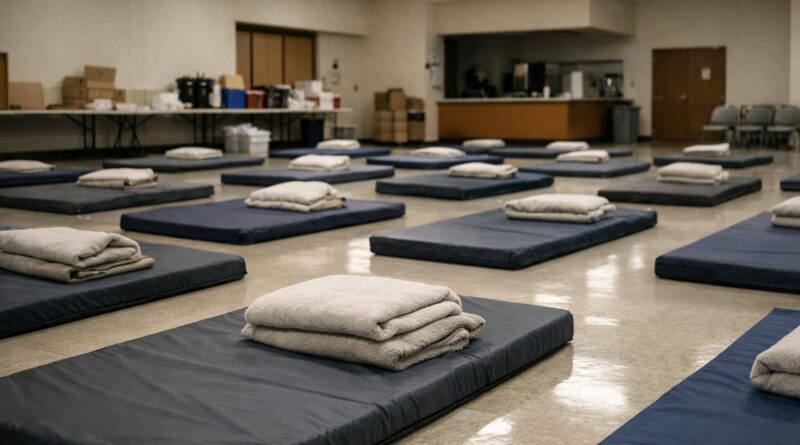

Civic Duty as Lived Responsibility

This entry is part 57 of 59 in the series Journey Through Stoicism

Where will someone sleep in your city tonight? Civic duty rarely announces itself. It does not arrive as a moment of clarity or a flood of inspiration. More often, it looks like routine. Mats laid out across a facility space. Meals delivered and set out. Volunteers arriving in shifts through the night so others can sleep indoors when the temperature drops.

We talk about civic duty as an idea, but it is better understood as a practice. It begins when concern becomes action. Not because the work feels noble, but because shared life demands it. When a community faces need, and some people have the capacity to respond, responsibility follows. Not as heroism. As participation.

This essay reflects on civic duty as lived responsibility. Drawing on Stoic philosophy, Wesleyan theology, and a wider moral consensus across traditions, it asks what it really means to show up for others when the work is repetitive, incomplete, and often unseen.

Read more

Choosing Enough

This entry is part 58 of 59 in the series Journey Through Stoicism
This entry is part 6 of 7 in the series The Stoic Virtues

We live in a world that is very good at convincing us that more is always better. More food, more comfort, more information, more outrage, more things. Our phones are built to keep our attention just a little longer. Our culture treats abundance as harmless and excess as normal. But when everything is available all the time, the real question is no longer what we can have. It is what we should choose to take in, and what it is quietly costing us.

Temperance offers an unfashionable answer. Not denial. Not purity. Enough. It asks us to notice our appetites, not just for food, but for attention, certainty, comfort, and stimulation. It invites us to consider whether what we consume is actually nourishing us, or simply keeping us busy and restless. In an age engineered to keep us reaching, choosing enough becomes a quiet act of freedom, one that clears space for presence, joy, and a life that feels more truly our own.

Read more

Wisdom: The Organizing Virtue

This entry is part 59 of 59 in the series Journey Through Stoicism
This entry is part 7 of 7 in the series The Stoic Virtues

What happens when leadership confuses force with wisdom?

Learn a 3-step pause to outthink panic and regain control over decision-making. We are living in a moment when reactivity often masquerades as strength. Foreign policy escalates without proportion. Economic decisions shift with the winds of applause. Dissent is treated as disloyalty. But courage without wisdom becomes recklessness. Justice without wisdom becomes punishment. Temperance without wisdom becomes denial. Something essential is missing when judgment fails at scale.

In this new essay, I reflect on what Stoic wisdom actually looks like — not as abstraction, but as disciplined judgment under pressure. From sleepless nights of personal uncertainty to watching national decisions unfold, I explore why wisdom is the organizing virtue that keeps both a life and a nation from unraveling.

Read more in Wisdom: The Organizing Virtue.

Read more