Apatheia in Practice

This entry is part 33 of 53 in the series Journey Through Stoicism
This entry is part 12 of 15 in the series Stoicism Practices

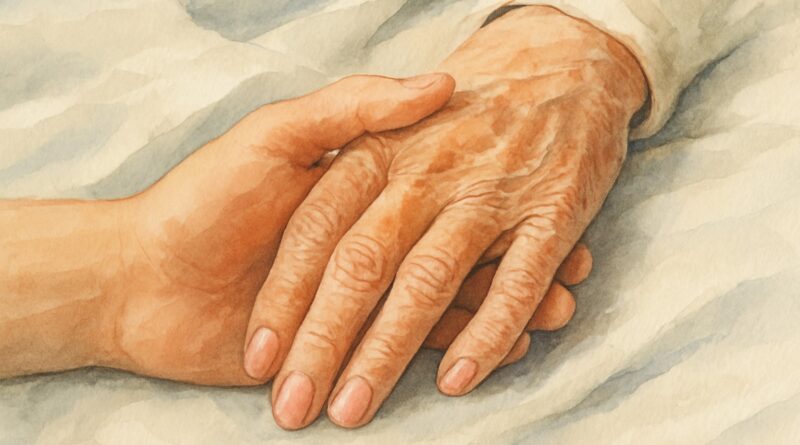
This essay is not only about ideas. It comes from my own season of upheaval. I was laid off in June. My husband has just been laid off from his job. I’ve been away from home for three weeks, staying in my mother’s house while she was in and out of the hospital. This past Wednesday, she died. I was holding her hand as she took her last breaths. In the middle of all this, my study of Stoicism has helped me keep some balance. Not by taking away grief, but by helping me live through it without being consumed.

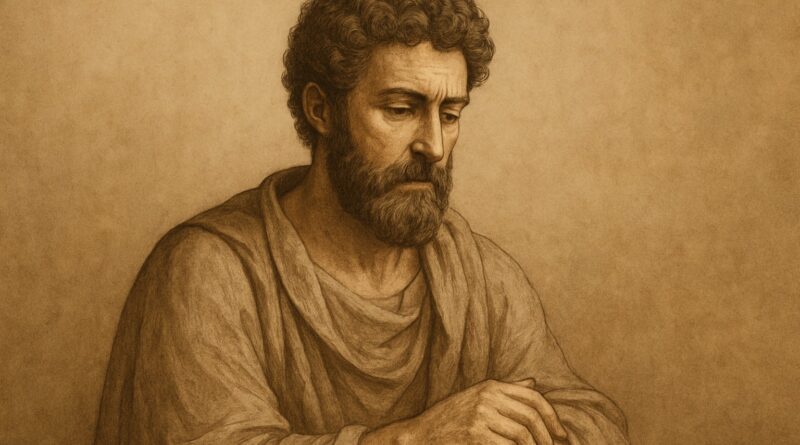
Apatheia means freedom from being ruled by unruly passion. It does not mean coldness. It does not mean apathy. The Stoics were clear about this. Seneca wrote that “anger is a short madness.” Epictetus warned his students not to confuse love with clinging. Marcus wrote, “Take away the thought I have been harmed, and the harm is taken away.” Apatheia does not erase feeling, but steadies it. It gives room for grief, anger, and fear without letting them take over.

Read more

Sympatheia — The Web of Our Shared Humanity

This entry is part 13 of 15 in the series Stoicism Practices
This entry is part 32 of 53 in the series Journey Through Stoicism

There are moments when the illusion of standing alone falls away. Sitting at my mother’s bedside, I watched nurses adjust her blanket, a caregiver whisper encouragement, and my sister lean in to hold her hand. In that small room I saw a truth that philosophy and faith have long tried to teach. Our lives are braided together. The Stoics had a name for this: sympatheia, the recognition that we are bound together in a single web.

Marcus Aurelius urged himself to “meditate often on the interconnectedness and mutual interdependence of all things in the universe.” To him, nothing existed by itself. A hand could not live apart from the body, nor could a person live apart from others. Epictetus called it being a “citizen of the universe.” To forget this bond was to forget who we are.

In our own time, Pope Leo XIV put it this way: “The earth will rest, justice will prevail, the poor will rejoice, and peace will return, once we no longer act as predators but as pilgrims. No longer each of us for ourselves but walking alongside one another.” The Pope’s words echo the Stoics, calling us to remember that the fate of one is tied to the fate of all.

Read more

The View from Above

This entry is part 14 of 15 in the series Stoicism Practices
This entry is part 31 of 53 in the series Journey Through Stoicism

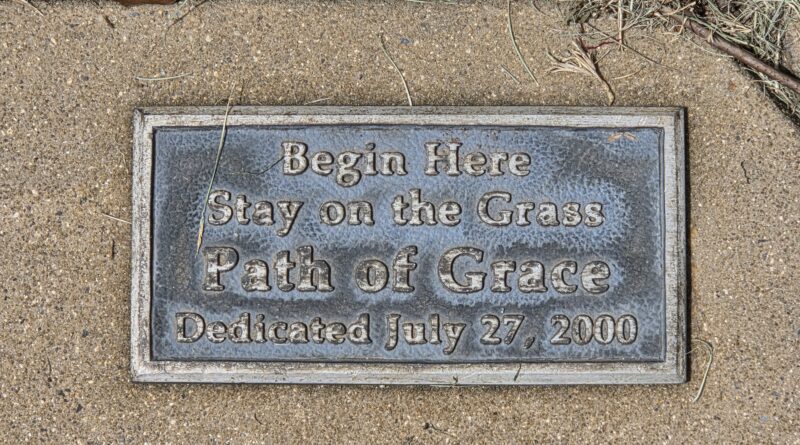
I walked the hospital garden and followed the path of grace. At the end a bronze plaque carried lines from Psalms nine and ten. Refuge for the oppressed. God hears the afflicted. The metal was warm under my hand. Nothing was fixed. Yet something in me settled enough to breathe.

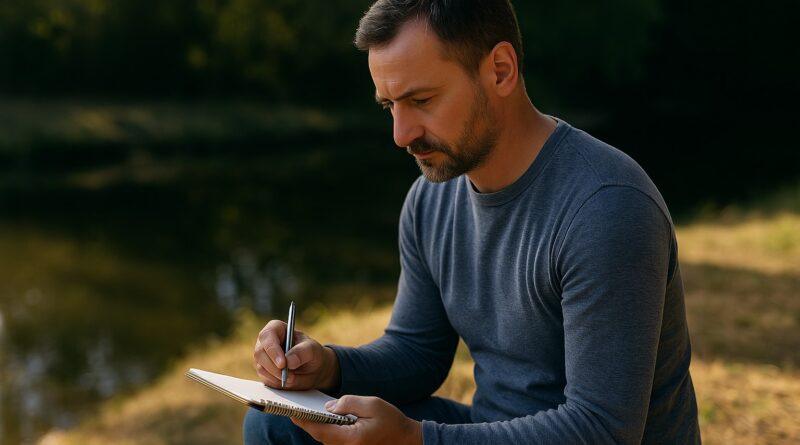
The Stoics call it the View from Above. Rise in your mind. See the room, the floor, the building, the town, the small blue world. The pain stays real, but it finds its size. From there the next right act appears. Ask a clear question. Hold a hand. Eat. Pray. Sleep if you can. The practice pairs with the dichotomy of control and with evening reflection. It opens the frame, then helps you learn from the day.

Tomorrow I head to Boone while my sister and a caregiver sit with Mom. Those mountains have taught me to climb, look, and return. The Wesleyan way names that rhythm as grace. Action without contemplation is unrooted. Contemplation without action is inconsequential. In a brittle season for our republic, this practice steadies my voice and keeps my heart useful.

Read more

The Stoic Practice of Patience

This entry is part 15 of 15 in the series Stoicism Practices
This entry is part 30 of 53 in the series Journey Through Stoicism

Hospitals are made of waiting. Waiting for a doctor to make rounds, for a test result to come back, for a mother’s breathing to even out after a restless night. The hours stretch and bend in odd ways. Days lose their shape, and with them the sense of routine that usually steadies a life. In these places, impatience often comes first. It’s that urge to will things forward, to force clarity, to find answers that simply will not arrive on command.
The Stoics did not count patience among their four cardinal virtues. Yet it lies within them all. Patience is the courage that endures hardship without losing hope. It is temperance that reins in anger. It is justice that waits to judge. And it is wisdom that discerns what cannot be rushed. To practice patience is to practice all the virtues at once.. Not passively, but as an active strength in the refusal to be ruled by time’s uneven pace.

Read more