
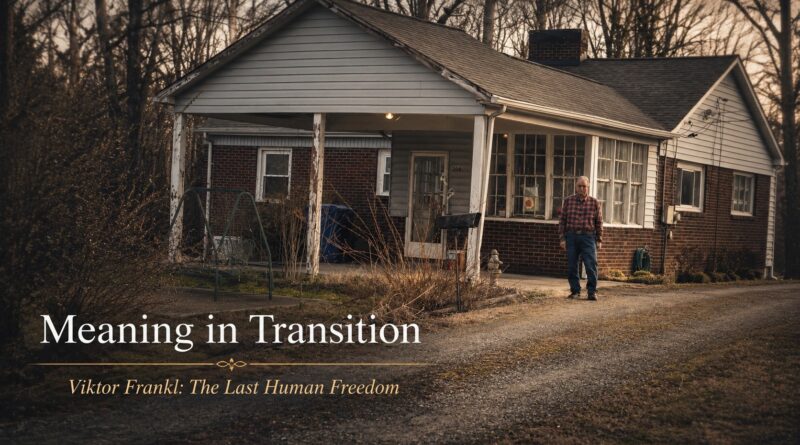
Viktor Frankl: The Last Human Freedom

This entry is in the series The Stoics
This entry is in the series Journey Through Stoicism

There are seasons in life when the question is no longer whether things are difficult. The difficulty is already there. A parent dies. A career changes unexpectedly. A familiar version of life begins slipping away, and suddenly the future feels less certain than it once did. In those moments, we are left asking a quieter and more important question: What now?

In this essay, I reflect on Viktor Frankl, a Holocaust survivor, psychiatrist, and author of Man’s Search for Meaning. Through Frankl’s life and philosophy, and through some deeply personal experiences of grief, transition, and rebuilding, I explore the idea that meaning is not something we discover once and hold forever. It is something we continue choosing, step by step, even when life feels unsettled. Read more.

Read more
Apatheia in Practice

This entry is in the series Stoicism Practices
This entry is in the series Journey Through Stoicism

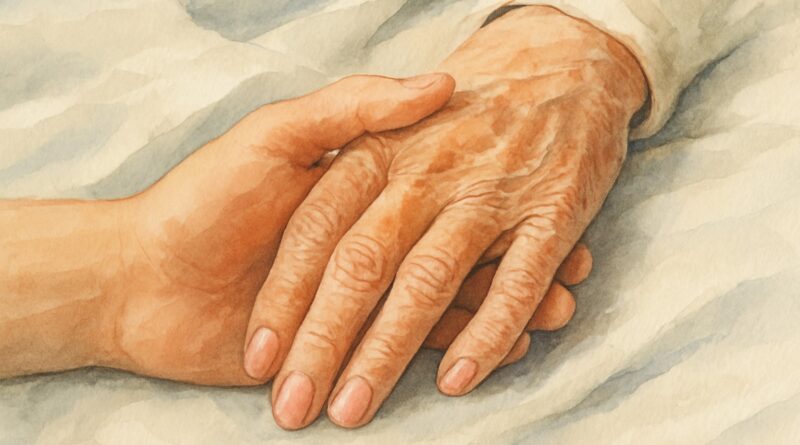
This essay is not only about ideas. It comes from my own season of upheaval. I was laid off in June. My husband has just been laid off from his job. I’ve been away from home for three weeks, staying in my mother’s house while she was in and out of the hospital. This past Wednesday, she died. I was holding her hand as she took her last breaths. In the middle of all this, my study of Stoicism has helped me keep some balance. Not by taking away grief, but by helping me live through it without being consumed.

Apatheia means freedom from being ruled by unruly passion. It does not mean coldness. It does not mean apathy. The Stoics were clear about this. Seneca wrote that “anger is a short madness.” Epictetus warned his students not to confuse love with clinging. Marcus wrote, “Take away the thought I have been harmed, and the harm is taken away.” Apatheia does not erase feeling, but steadies it. It gives room for grief, anger, and fear without letting them take over.

Read more