
The Ideological Tourist: Why Josie Tomkow is the Wrong Prescription for Tampa

This entry is part 7 of 7 in the series 2026 Elections

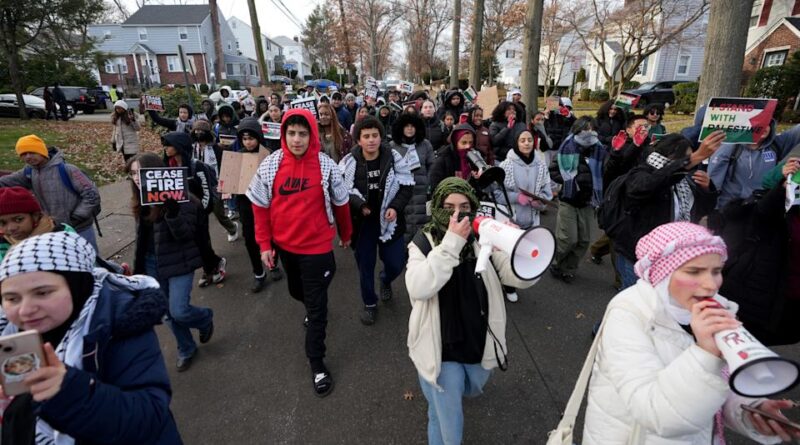
Josie Tomkow is a career politician currently engaged in an audacious act of “ideological tourism.” Having spent years in rural Polk County, she is now attempting to transplant her record of institutionalized cruelty into the heart of South Tampa and Downtown. As the Chair of the House Health and Human Services Committee, she hasn’t just been a witness to the state’s “campaign of terror” against marginalized communities—she has been its gatekeeper. From overseeing draconian abortion bans to weaponizing healthcare against the LGBTQ+ community, Tomkow has treated the law as a tool for “othering” rather than a safeguard for the public.

For a district that serves as the engine of Florida’s medical and research sector, Tomkow’s record is a fundamental mismatch. While Tampa’s doctors and researchers rely on scientific consensus, Tomkow has been the primary legislative enabler for a reckless anti-science agenda that threatens our schools and retirees. She is a “carpetbagger” who views our community as a political fallback, yet she brings with her a “patrimonial” system that prioritizes extremist loyalty over the actual health of our citizens. It is time to tell this opportunist that Tampa’s values—and our healthcare—are not for sale.

Read more

Nothing Says “This Season of Life” Like a Cremation Luncheon Invite

Yesterday’s mail brought me a milestone. Not a birthday card or a Medicare handbook, but a glossy luncheon invitation from the National Cremation Society. Apparently, once Medicare enters your life, the end-of-life marketing ecosystem wakes up and decides it’s time to talk.

The flyer promised “Personalized Affordable Options” and a “Professional Service Guarantee”—phrases that raise more questions than they answer. Since I grew up in the funeral business, I had to laugh. But underneath the humor is something real. Planning for death isn’t really about logistics; it’s about caring for the people who are left behind.

This essay starts with jokes, but it ends with what matters most: grief, love, and why the way we leave matters more to the living than to the dead.

Read more

Civic Duty as Lived Responsibility

This entry is part 57 of 57 in the series Journey Through Stoicism

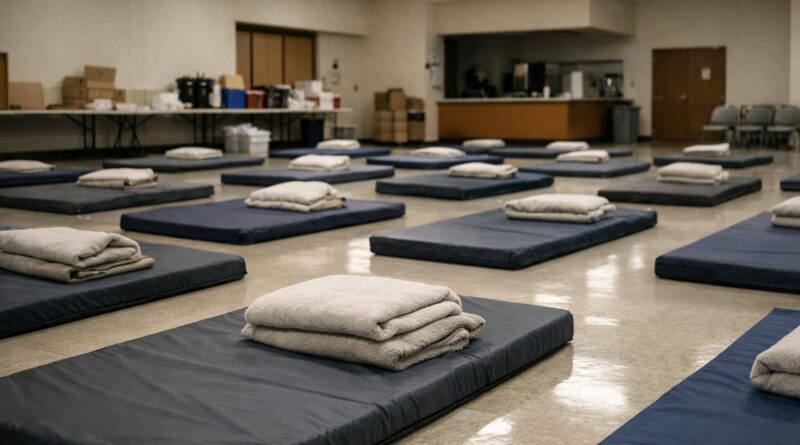
Where will someone sleep in your city tonight? Civic duty rarely announces itself. It does not arrive as a moment of clarity or a flood of inspiration. More often, it looks like routine. Mats laid out across a facility space. Meals delivered and set out. Volunteers arriving in shifts through the night so others can sleep indoors when the temperature drops.

We talk about civic duty as an idea, but it is better understood as a practice. It begins when concern becomes action. Not because the work feels noble, but because shared life demands it. When a community faces need, and some people have the capacity to respond, responsibility follows. Not as heroism. As participation.

This essay reflects on civic duty as lived responsibility. Drawing on Stoic philosophy, Wesleyan theology, and a wider moral consensus across traditions, it asks what it really means to show up for others when the work is repetitive, incomplete, and often unseen.

Read more