
The People We Think We Know
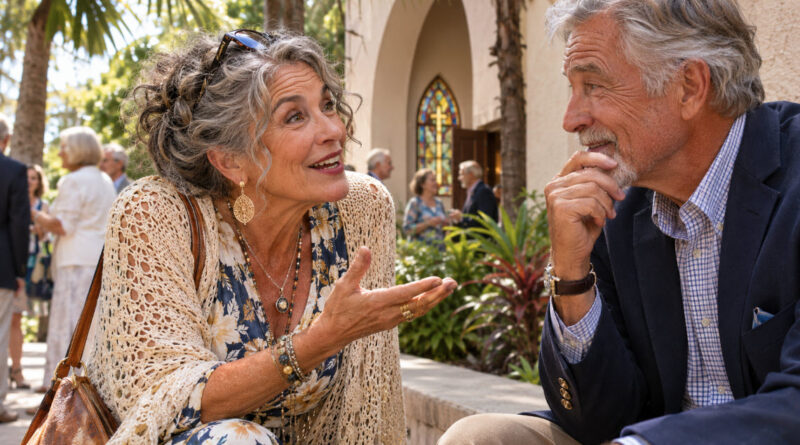
Have you ever been so certain about someone that you practically knew what they were going to say before they opened their mouth? I have. In fact, I once prepared myself for an uncomfortable confrontation with a woman at church, complete with a carefully considered response to the complaint I was sure was coming. There was just one problem. She had an entirely different conversation in mind.
It happened after a social justice program I’d organized at my church. One of our speakers, a Black lesbian community leader, had given an especially inspiring presentation. When a community member who’d attended, whom I’d assumed was quite conservative, approached me later and mentioned the speaker’s name, I braced myself. Instead, she announced, “You tell her she needs to run for governor.” Well, so much for my powers of observation. That woman has been something of a hero to me ever since.
The ancient Stoics understood something about our tendency to judge people before we have all the facts. Epictetus even used the example of watching someone bathe to explain the difference between observing behavior and deciding what it means. I’ll leave you to draw your own conclusions about the philosopher’s choice of examples. Modern psychology has since given names to some of these habits, including confirmation bias, which helps explain why we’re so good at finding evidence that supports what we already believe.
But this lesson has another side. Sometimes we judge people too favorably, especially when we know and like them. I’ve recently found myself questioning the decisions of an elected official I’ve come to respect and consider a friend. His choices have disappointed me, yet I also recognize that I owe him a conversation before deciding I understand his reasoning. That’s proving to be a harder exercise in Stoic wisdom than I expected.
In The People We Think We Know, the next essay in my Ten Lessons in Living Well series, I explore how our first impressions can mislead us in both directions, and what we might do to become a little fairer in our judgments. Along the way, there’s an unexpected political endorsement, a philosopher with an unusual interest in bathing habits, and a friendship that has me reconsidering what I thought I knew. Before you decide you’ve got someone figured out, give this one a read. You might discover you’ve been having a few imaginary arguments of your own.
Read more