What Happens to the American Promise?
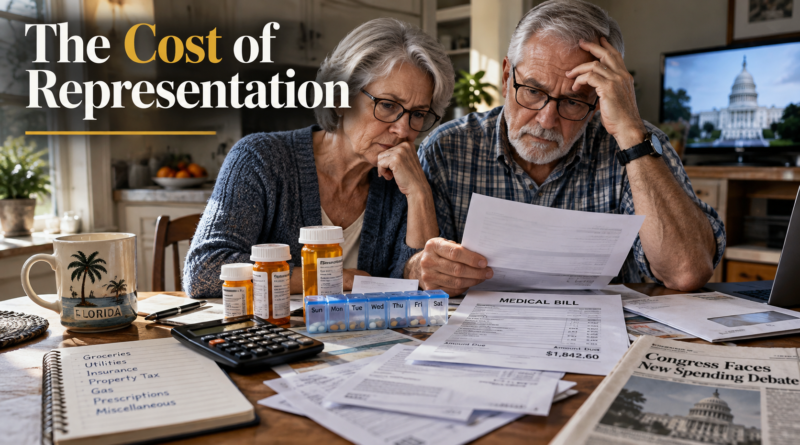
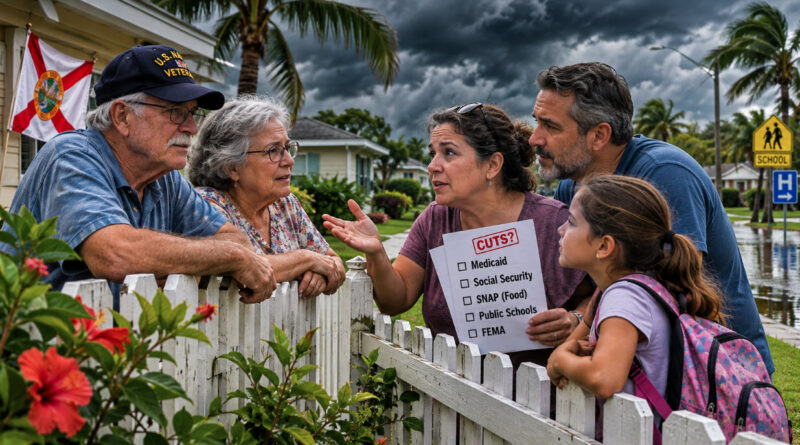
Think about spending your whole life working, paying taxes, raising a family, and helping your community, only to find out that the programs you counted on for some security are being cut, weakened, or made harder to use. Medicaid is losing hundreds of billions in federal funding. Social Security has lost thousands of employees. Getting food assistance is becoming more difficult. Public schools are seeing taxpayer money go to private education while their own budgets get tighter.
This is Part Four of our Project 2025 series, What Happens to the American Promise? The Trump administration and Republican-led Congress have already made big changes, and more are planned. In Florida, problems could come from two sides. Tallahassee has started a multibillion-dollar private school voucher system, and Washington is working to shrink the Department of Education. It seems asking public schools to do more with less wasn’t ambitious enough. Now we are seeing how little they can manage with.
These changes affect more than just government budgets. They impact children who need reading help, older Americans who rely on Medicaid for nursing home care, people waiting for disability benefits, and working families trying to afford food. These are our neighbors. When their schools get weaker, their health care goes away, or their benefits are harder to get, the whole community feels the cost. Someone always pays for these choices, even if Washington calls them savings.
The real question is how much harm Americans are willing to accept, and what we are ready to do about it. With a new Congress starting in January, voters can ask for investigations, push back against harmful policies, and make sure public money is used for the public good. Elections are important, but making leaders answer for their actions takes more than just voting. Read the full article, think about what is at stake for your family and neighbors, and ask your representatives whose future they are looking out for.
Read more